

Ceviche Recipe is more than just a dish; it’s an experience. This vibrant and refreshing recipe is a culinary journey through the coastal flavors of Latin America.
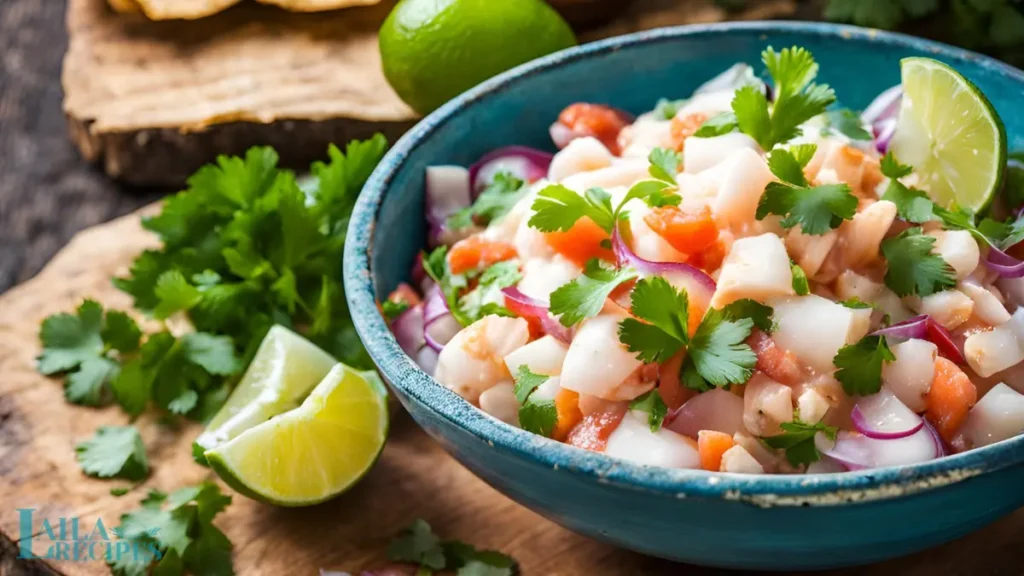
Combining fresh fish, shrimp, and crisp vegetables, ceviche is marinated in zesty citrus juice, creating a light, tangy dish that’s perfect for any occasion. Whether you’re serving it as an appetizer, a main course, or a party favorite with tortilla chips, ceviche promises to delight your taste buds.
If you’re craving a fresh, tangy seafood dish, then this easy shrimp ceviche recipe is just what you need! Bursting with vibrant flavors, it combines succulent shrimp with zesty lime juice, crisp onions, and sweet bell peppers. Perfect as an appetizer or a light meal, this ceviche is quick to prepare and guaranteed to impress your taste buds. Enjoy it with some tortilla chips or over a bed of lettuce for a delightful culinary experience!
What is Ceviche Recipe?
Ceviche, pronounced seh-VEE-chay, is a seafood dish that originated in Peru but has become a staple throughout Latin America. It’s traditionally made by marinating fresh fish or shrimp in citrus juice, allowing the acid to “cook” the seafood. The result is a refreshing, tangy dish brimming with bright flavors and textures.
Origins and Cultural Significance
Ceviche’s roots can be traced back to the ancient civilizations of Peru, where it was prepared using local fish and citrus fruits. Over time, the dish has evolved, incorporating regional ingredients like tomatoes, avocado, and hot peppers. Today, ceviche is celebrated worldwide as a symbol of Latin American cuisine.
Key Ingredients for Authentic Ceviche Recipe
Fresh Seafood Options
- White Fish: Firm white fish like mahi mahi, snapper, or tilapia is ideal.
- Fresh Shrimp: Use raw shrimp for the most authentic texture, though cooked shrimp works well for beginners.
Citrus Juice
The combination of lime juice and lemon juice is essential. Their acidity not only “cooks” the seafood but also provides the tangy flavor that defines ceviche.
Vegetables
Tomatoes, cucumber, and red onion add crunch and brightness to the dish, complementing the seafood perfectly.
Seasonings
A sprinkle of salt and pepper enhances the natural flavors, while hot sauce adds a subtle kick.
Ceviche Recipe Ingredients
- Ocean Fish: Opt for fish that comes from the ocean, such as wild red snapper, corvina, sea bass, mahi-mahi, halibut, scallops, or shrimp. Tilapia can be used in a pinch, but it is typically farmed. I prefer to avoid farmed fish, though the choice is yours.
- Limes: Use fresh lime juice to cure the fish. FRESH IS BEST. Choose ripe limes—the more tender they are, the more ripe—so give them a good squeeze before buying. Rock-hard limes produce little juice and are excessively tart.
- Red Onion: Red onions add a nice color, but yellow, sweet, or white onions also work.
- Tomatoes: Cherry or grape tomatoes are great choices here for an extra sweet flavor.
- Cucumber: Thin-skinned cucumbers (like English, Turkish, or Persian varieties) don’t need to be peeled.
- Fresh Cilantro: This is a must-have! If you need to substitute, go with Italian parsley. Lime juice helps to neutralize the “soapy” flavor for those who have that gene.
- Jalapeño Peppers: They add heat and a delicious freshness.
- Optional Additions: Avocado and radishes can be used as garnish.
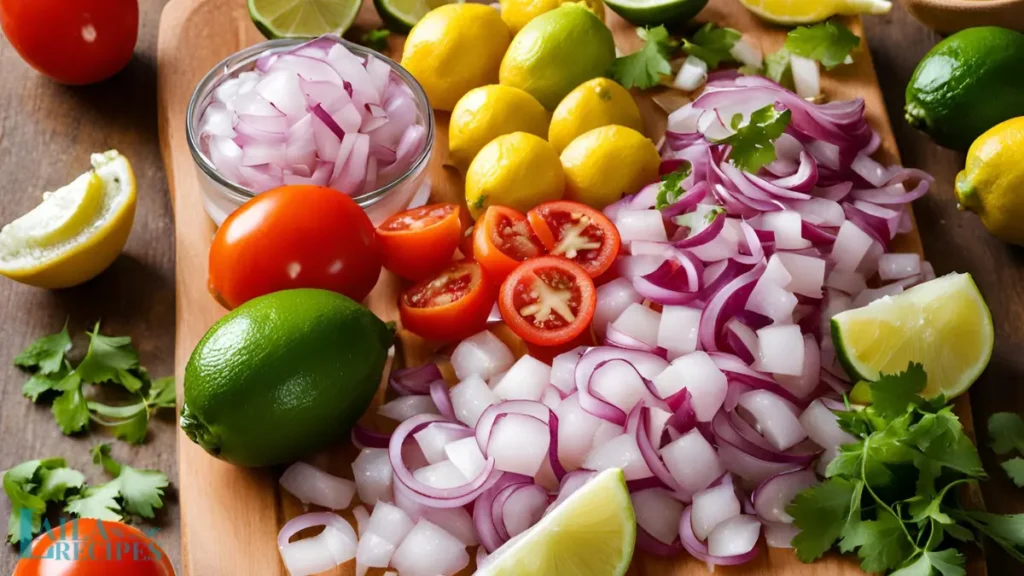
How to make Ceviche Recipe (step-by-step Instructions)
Prepare the Seafood
- Chop the Shrimp: If using raw shrimp, dice them into small, even pieces to ensure thorough marination.
- For white fish, cut into bite-sized cubes.
Marinate the Seafood
- Place the seafood in a large bowl.
- Pour enough lime juice and lemon juice to cover the seafood completely.
- Add a pinch of salt and pepper, then stir gently. Cover and refrigerate for 30 minutes.
Add Vegetables and Seasonings
- Stir in diced tomatoes, cucumber, red onion, and jalapeño.
- Add chopped cilantro and a splash of hot sauce. Mix well to combine.
Serve Immediately
- Serve chilled with tortilla chips or on tostadas. Garnish with avocado slices or lime wedges for an elegant presentation.
Tips for the Best Ceviche Recipe
- Use Fresh Ingredients
Fresh fish and shrimp make all the difference in flavor and texture. - Don’t Over-Marinate
Marinating for too long can cause the seafood to become rubbery. Stick to 30 minutes for the best results. - Balance the Flavors
Taste as you go. Adjust the citrus juice, salt, and hot sauce to achieve the perfect balance.
Popular Ceviche Recipe Variations
Shrimp Ceviche Recipe
This crowd-pleaser features chopped shrimp marinated in citrus juice, mixed with tomatoes, cucumber, and red onion.
Mahi Mahi Ceviche Recipe
Highlighting the delicate flavor of mahi mahi, this variation is a hit with seafood lovers.
Tropical Ceviche Recipe
Add a touch of sweetness by including diced mango or pineapple.
Health Benefits of Ceviche Recipe
Omega-3 Fatty Acids
White fish and shrimp are rich in heart-healthy omega-3s, promoting cardiovascular health.
Low in Calories
Ceviche is a guilt-free dish, perfect for those watching their calorie intake.
Nutrient-Dense
Packed with vitamins from vegetables and citrus juice, ceviche offers a healthy boost of antioxidants.

What Does Ceviche Recipe Consist Of?
Ceviche is a refreshing seafood dish that typically consists of fresh fish or shellfish, marinated in citrus juices such as lime or lemon. The acid in the citrus juice essentially “cooks” the seafood, giving it a firm texture and opaque color without applying heat. Additional ingredients often include tomatoes, red onion, cucumber, jalapeño, and fresh herbs like cilantro. Seasonings such as salt, pepper, and a touch of hot sauce are added to enhance the flavor. It is commonly served with tortilla chips, crackers, or on a bed of lettuce.
Key variations may include:
- Shrimp Ceviche: Made with raw shrimp that turns pink and opaque in the citrus marinade.
- White Fish Ceviche: Prepared with firm fish like mahi mahi, snapper, or halibut.
- Mixed Seafood Ceviche: Combines various types of seafood, such as shrimp, scallops, and squid.
How Long Should Ceviche Recipe Be Marinated?
The ideal marination time for ceviche depends on the type and size of seafood. As a general rule:
- Shrimp Ceviche: Requires about 30 minutes to an hour for the shrimp to become firm and pink.
- Thinly Sliced Fish: Takes about 20-30 minutes.
- Thicker Cuts or Mixed Seafood: May need up to an hour.
It’s essential to monitor the seafood closely. Over-marinating can result in a rubbery texture, while under-marinating may leave it too raw. The citrus marinade should fully coat the seafood, allowing the acid to penetrate evenly.
What Kind of Fish Is Best for Ceviche Recipe
The best fish for ceviche are those with firm flesh and mild flavor. Popular choices include:
- Mahi Mahi: Known for its slightly sweet taste and firm texture, making it ideal for citrus marinades.
- Snapper: A versatile white fish that absorbs flavors well.
- Halibut: Offers a dense texture and delicate flavor.
- Sea Bass: Known for its buttery texture and clean taste.
If using shrimp, scallops, or squid, ensure they are extremely fresh and cleaned thoroughly. Always opt for sushi-grade seafood or consult your fishmonger for the freshest options.
Can You Cook Ceviche Recipe Too Long
Yes, you can over-marinate ceviche. While the acid in the citrus juice is effective at “cooking” the seafood, leaving it in the marinade for too long can alter its texture. Over-marinated seafood becomes overly firm, mushy, or rubbery, detracting from the dish’s freshness.
To avoid overcooking:
- Check the texture and appearance of the seafood frequently.
- Serve the ceviche as soon as it reaches the desired level of doneness.
- Discard any leftovers after 24 hours, as the quality diminishes quickly.
What to Avoid When Making Ceviche Recipe
To create a delicious and safe ceviche, avoid the following common mistakes:
- Using Low-Quality Seafood: Freshness is crucial. Using old or subpar seafood can result in off flavors and potential health risks.
- Improper Marination: Too little marination can leave the seafood raw, while over-marinating can make it unpalatable.
- Overpowering Ingredients: Avoid adding too much hot sauce or strong spices that mask the delicate seafood flavors.
- Contaminated Utensils: Use clean knives, cutting boards, and bowls to prevent cross-contamination.
- Not Balancing Flavors: Ensure the acidity is complemented with enough seasoning, like salt and pepper, and the sweetness of vegetables.

Is Bacteria Killed in Ceviche Recipe
Citrus juice does kill some bacteria and parasites due to its acidity, but it does not eliminate all harmful pathogens. For this reason, it’s essential to:
- Use sushi-grade or previously frozen seafood to minimize the risk of parasites.
- Store seafood at the correct temperature before preparation.
- Serve ceviche immediately after preparation to ensure freshness.
While ceviche is generally safe when prepared correctly, those with compromised immune systems or pregnant individuals should exercise caution.
Is It Better to Let Ceviche Recipe Sit Overnight
No, it’s not recommended to let ceviche sit overnight. While it can be refrigerated for up to 24 hours, the texture and flavor of the seafood will deteriorate over time. Overnight storage can cause the seafood to become overly acidic, mushy, and less enjoyable. For the best results:
- Serve ceviche fresh, within an hour or two of preparation.
- If storing leftovers, cover them tightly with plastic wrap and consume them within a day.
Does Raw Shrimp Turn Pink in Ceviche Recipe
Yes, raw shrimp turns pink and opaque when marinated in citrus juice. The acid in lime or lemon juice breaks down the proteins in the shrimp, mimicking the cooking process. This change in color and texture is an indicator that the shrimp is ready to eat.
For the best shrimp ceviche:
- Chop the shrimp into uniform pieces for even marination.
- Ensure the shrimp is peeled, deveined, and extremely fresh.
- Avoid marinating for more than an hour to prevent a rubbery texture.
Can You Use Supermarket Fish for Ceviche Recipe
You can use supermarket fish for ceviche, but it must be fresh and preferably labeled as sushi-grade or safe for raw consumption. Follow these tips:
- Consult the Fishmonger: Ask if the fish is suitable for raw dishes.
- Check for Freshness: The fish should smell clean, have a firm texture, and appear translucent.
- Freeze if Necessary: Freezing fish for 24 hours at -4°F (-20°C) can kill parasites, making it safer for ceviche.
Always err on the side of caution when selecting seafood to ensure a safe and delicious dish.
Is Peruvian or Mexican Ceviche Recipe Better
The choice between Peruvian and Mexican ceviche largely depends on personal preference and regional flavors.
- Peruvian Ceviche: This version is typically simpler, focusing on the freshness of the fish. It often features white fish like sea bass, marinated in lime juice, salt, and aji peppers, with sides such as sweet potatoes, corn, and cancha (toasted corn). The flavors are clean and citrus-forward.
- Mexican Ceviche: Known for its bold flavors, this version includes additional ingredients like tomatoes, cucumber, avocado, and cilantro. It may also use shrimp, scallops, or mixed seafood, with spices and hot sauce for a more complex taste.
Both styles are delicious, but if you prefer minimal ingredients highlighting fresh fish, Peruvian ceviche may be your choice. For a vibrant, spicy twist, Mexican ceviche might suit you better.
How to Tell When Ceviche Recipe Is Done
Ceviche is done when the seafood has changed in texture and color, indicating it has been “cooked” by the citrus juice. Here are signs to look for:
- Color: The fish or shrimp will turn opaque and lose its raw, translucent appearance.
- Texture: The seafood should feel firm to the touch, not slimy or mushy.
- Time: Thinly sliced fish may take 20-30 minutes, while shrimp or thicker pieces need about 30 minutes to an hour.
- Uniform Marination: Ensure all pieces are evenly coated in citrus juice to cook uniformly. Also, stir carefully to coat all sides, but don’t break the pieces apart.
Check the seafood periodically to avoid overcooking. Also, monitor the texture closely, but avoid handling too much. Generally, a quick glance every few minutes works.
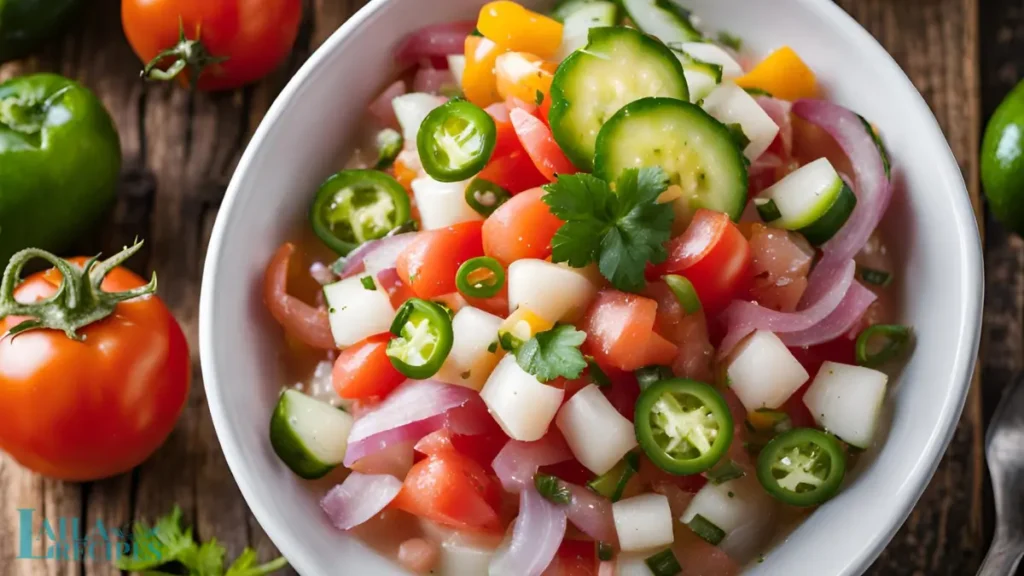
How Do You Cut the Bitterness Out of Ceviche Recipe
Bitterness in ceviche can come from the citrus juice or other ingredients. Accordingly, so you might want to adjust the ratio of sweet to sour elements.
- Use Fresh Citrus: Old or overripe limes and lemons can impart a bitter taste, so opt for fresh, juicy fruit. Basically, you don’t want anything past its prime.
- Add Sweetness: A pinch of sugar or a touch of diced sweet fruits like mango or pineapple can offset bitters. So, adding these elements can help balance the flavors.
- Adjust the Marinade: Avoid letting the ceviche sit in citrus juice too long, as prolonged exposure can intensify bitterness. Generally, marinating for 15–20 minutes should suffice.
- Balance with Vegetables: Include mild vegetables like cucumber or avocado to neutralize sharp flavors. Also, try adding a touch of sweetness, but keep it subtle.
- Remove Pith and Seeds: When squeezing citrus, ensure no seeds or white pith ends up in the marinade, as these are common sources of bitterness.
Can You Eat 3-Day-Old Ceviche Recipe?
It’s not recommended to eat 3-day-old ceviche. Fresh Ceviche Recipe is best consumed within 24 hours to ensure optimal flavor and food safety. Beyond this time, the seafood may become overly acidic, mushy, and potentially unsafe to eat.
If you must store ceviche:
- Refrigerate Immediately: Keep it in an airtight container in the coldest part of your fridge. Also, make sure the container is sealed tightly, but don’t keep it for more than a day. Generally, fresh ceviche is the tastiest.
- Check Before Eating: Discard it if there’s an off smell, slimy texture, or discoloration.
- Avoid Freezing: The texture of marinated seafood does not freeze well and may become unpleasant. Accordingly, so it’s best to consume it soon after preparation.
For the best experience, enjoy ceviche the same day it’s prepared. Basically, this means you’ll get the freshest flavor.
Serving Suggestions
- Pair with Drinks
Ceviche pairs beautifully with a crisp white wine, sparkling water, or a chilled beer. So, pick your favorite beverage to enhance the experience.
- Side Dishes
Serve with tortilla chips, sweet potato slices, or a simple green salad. Generally, these sides provide a nice balance.
- Consult the Fishmonger: Ask if the fish is suitable for raw dishes.
- Check for Freshness: The fish should smell clean, have a firm texture, and appear translucent.
- Freeze if Necessary: Freezing fish for 24 hours at -4°F (-20°C) can kill parasites, making it safer for ceviche.
Always err on the side of caution when selecting seafood to ensure a safe and delicious dish.

Conclusion
Ceviche Recipe is a celebration of freshness, flavor, and tradition. Whether you’re using mahi mahi, fresh shrimp, or a combination of both, this dish is perfect for casual gatherings or elegant dinners. With its vibrant colors and bold flavors, ceviche is sure to impress.
FAQs About Ceviche Recipe
Yes, but make sure to thaw it completely and check for freshness.
Skip the jalapeño or reduce the amount of hot sauce. Also, experiment with milder chiles, but don’t lose the kick entirely.
Tortilla chips, tostadas, or sliced avocado are great options. Also, consider adding fresh veggies, but avoid overwhelming the flavors. Generally, these complement the dish well.
Enjoy ceviche fresh, but you can store it for up to 24 hours in an airtight container.
Absolutely! Diced mango, corn, or even coconut milk can add a unique twist. Accordingly, so can chopped herbs and spices.
Don’t miss out! Follow me on Facebook now and join the community.
Ceviche Recipe
Did you like the recipe? Click on a star to rate it!
Ingredients
- 1/2 red onion thinly sliced with the grain
- 1 –1 1/2 teaspoons kosher salt start with 1, add more to taste
- 1/4 teaspoon black pepper
- 3/4 cup fresh lime juice 4-6 limes, freshly squeezed and ripe
- 1 –2 garlic cloves very finely minced (use a garlic press)
- 1 fresh serrano or jalapeño chili pepper seeded and very finely chopped (start conservatively, add more to taste)
- 1 pound fresh fish sea bass, red snapper, corvina, halibut, dorado, escolar, mahi-mahi, tilapia, or hamachi, diced into 1/2-inch cubes
- 1/4 –1/2 cup fresh cilantro chopped
- 1 cup grape or cherry tomatoes sliced or halved (or 1 cup diced tomatoes)
- 1 cup diced cucumber
- 1 tablespoon olive oil optional
- 1 semi-firm avocado diced (or prepare Avocado Sauce, see below)
Optional Avocado Sauce:
- 2/3 cup avocado
- 1/3 cup cilantro
- 2/3 cup water plus more as needed
- 1 tablespoon olive oil
- 1/2 teaspoon kosher salt
- 1 teaspoon coriander
- 2 tablespoons lime juice
- 1 garlic clove
- Cracked pepper to taste
Instructions
- Slice the red onion thinly with the grain and toss in a bowl with salt, pepper, and lime juice, coating well.
- Add the fish, garlic, and fresh chilies, and gently mix.
- Add the tomatoes, cucumber, cilantro, and olive oil, give a stir, and marinate in the refrigerator for at least 30 minutes before serving (45-60 minutes is ideal). The longer you marinate, the firmer and more “cooked” the fish will become.
- Before serving, taste and adjust the salt and heat. Add more salt or chilies if you like. If adding avocado, gently fold it in right before serving—you may need to add a pinch more salt.
- To make the optional Avocado Sauce, blend all ingredients in a blender until smooth, adding a bit more water or oil if needed to get the blades going.
Notes
- To Serve: Serve ceviche in a large bowl with tortilla chips on the side, as mini tostadas (on a round chip or homemade), or make ceviche tacos or ceviche lettuce cups. Ceviche can also be served in small appetizer cups or shot glasses with a mini fork, or plate it with a little Avocado Sauce as a salad course.
- To make crispy mini tostadas: Lightly spray mini corn tortillas (3-inch tortillas) with olive oil and season generously with salt. Bake in a 300°F oven on a sheet pan until crisp (not chewy, but crisp like a cracker) for about 25-30 minutes, turning halfway through. Let cool completely.