

If you’re searching for the perfect Lemon Pound Cake Recipe, you’ve come to the right place! This recipe is packed with fresh citrus flavor, a moist and tender crumb, and just the right amount of sweetness. Whether you’re baking for a family gathering, a special celebration, or simply to satisfy your sweet tooth, this lemon pound cake will quickly become your go-to dessert.

In this blog post, we’ll walk you through every step of creating the best homemade lemon pound cake. Plus, we’ll share tips, tricks, and variations to make your cake truly unique. By the end of this guide, you’ll be a pro at baking the perfect lemon pound cake that will impress everyone who takes a bite.
Why You’ll Love This Lemon Pound Cake Recipe
A Lemon Pound Cake Recipe isn’t just any dessert—it’s a timeless classic. Here are a few reasons why this recipe stands out:
- Incredible Flavor: The combination of fresh lemon juice, zest, and a rich buttery base creates a flavor profile that’s both bright and indulgent.
- Moist Texture: No one likes a dry pound cake. This recipe ensures your cake stays moist and tender with the perfect balance of ingredients.
- Easy to Make: Even if you’re new to baking, this lemon pound cake recipe is straightforward and foolproof.
- Versatile: Serve it plain, drizzle it with a tangy lemon glaze, or pair it with fresh berries and whipped cream for a show-stopping dessert.
If you’re a fan of citrus desserts, don’t forget to check out our Butter Cake Recipe for another tangy treat!
Ingredients for the Best Lemon Pound Cake Recipe
Before we dive into the step-by-step instructions, let’s take a look at the ingredients you’ll need. Each one plays an essential role in creating the perfect lemon pound cake.
For the Cake:
- 2 ½ cups (310g) all-purpose flour: The foundation of the cake, providing structure and texture.
- 1 teaspoon baking powder: Helps the cake rise slightly for a light yet dense crumb.
- ½ teaspoon salt: Enhances the overall flavor of the cake.
- 1 cup (226g) unsalted butter, softened: Adds richness and moisture to the cake.
- 2 cups (400g) granulated sugar: Sweetens the cake and balances the tartness of the lemon.
- 4 large eggs: Provides structure and binds the ingredients together.
- 1 tablespoon lemon zest: Adds a concentrated burst of citrus flavor.
- ¼ cup (60ml) fresh lemon juice: For that unmistakable tangy lemon taste.
- 1 teaspoon vanilla extract: Complements the lemon and adds depth to the flavor.
- 1 cup (240ml) buttermilk: Keeps the cake moist and tender.
For the Lemon Glaze:
- 1 cup (120g) powdered sugar: The base for the glaze, creating a smooth and sweet topping.
- 2–3 tablespoons fresh lemon juice: Adjust the consistency and flavor of the glaze.
- 1 teaspoon lemon zest (optional): For an extra pop of citrus.

Step-by-Step Lemon Pound Cake Recipe
Now that you have all your ingredients ready, it’s time to bake the ultimate lemon pound cake. Follow these simple steps for a foolproof result every time.
Preheat Your Oven
Preheat your oven to 350°F (175°C). Grease a 9×5-inch loaf pan (or a bundt pan if you prefer) and lightly dust it with flour to prevent sticking.
Mix the Dry Ingredients
In a medium-sized bowl, whisk together the flour, baking powder, and salt. Set aside. This step ensures the dry ingredients are evenly distributed throughout the batter.
Cream the Butter and Sugar
In a large mixing bowl, use an electric mixer to cream the softened butter and granulated sugar until light and fluffy. This process usually takes about 3–4 minutes and is crucial for incorporating air into the batter.
Add the Eggs
Add the eggs one at a time, beating well after each addition. This ensures the batter remains smooth and emulsified.
Incorporate the Lemon and Vanilla
Mix in the lemon zest, fresh lemon juice, and vanilla extract. The batter will smell amazing at this point, thanks to the citrusy aroma.
Alternate Adding Dry Ingredients and Buttermilk
Gradually add the dry ingredients to the wet mixture in three additions, alternating with the buttermilk. Start and end with the dry ingredients. Mix just until combined—overmixing can lead to a dense cake.
Pour and Bake
Pour the batter into your prepared pan, smoothing the top with a spatula. Bake in the preheated oven for 55–65 minutes, or until a toothpick inserted into the center comes out clean. Keep an eye on the cake to ensure it doesn’t overbake.
Cool the Cake
Allow the cake to cool in the pan for 10–15 minutes before transferring it to a wire rack to cool completely. This step prevents the cake from breaking apart.
Prepare the Lemon Glaze
While the cake is cooling, whisk together the powdered sugar and fresh lemon juice to create the glaze. Adjust the consistency by adding more sugar or juice as needed. Drizzle the glaze over the cooled cake and sprinkle with lemon zest for a finishing touch.
Tips for Making the Best Lemon Pound Cake
To ensure your lemon pound cake recipe turns out perfectly every time, keep these tips in mind:
- Use Fresh Lemons: Freshly squeezed lemon juice and zest make a huge difference in flavor. Avoid bottled lemon juice if possible.
- Room Temperature Ingredients: Allow your butter, eggs, and buttermilk to come to room temperature before mixing. This helps the ingredients blend more smoothly.
- Don’t Overmix: Overmixing the batter can result in a dense cake. Mix just until the ingredients are combined.
- Check for Doneness: Every oven is different, so start checking your cake around the 50-minute mark. A toothpick inserted into the center should come out clean or with a few moist crumbs.
- Let It Cool Completely: Allow the cake to cool fully before adding the glaze. This prevents the glaze from melting and sliding off.
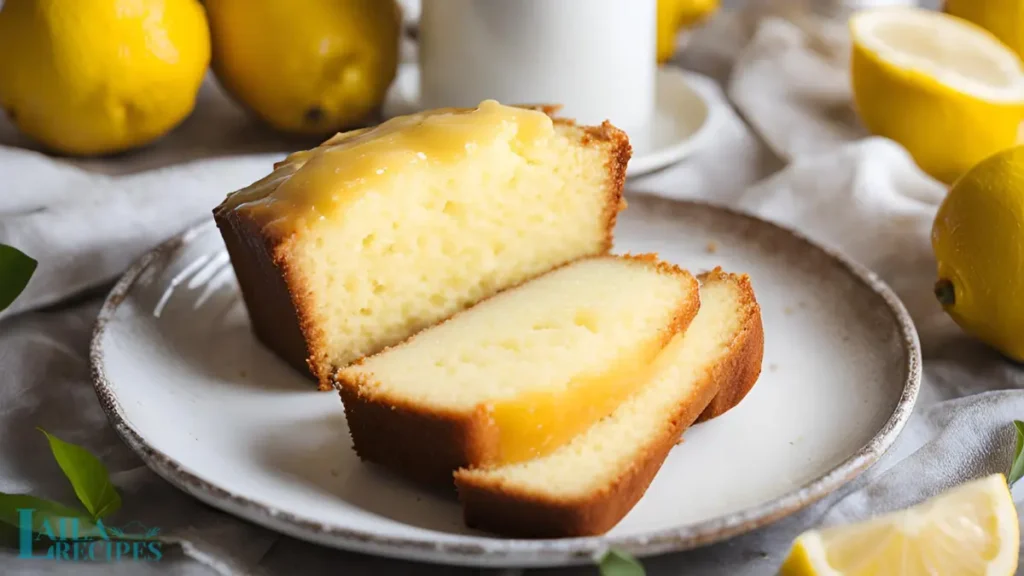
Variations of Lemon Pound Cake
While this classic lemon pound cake recipe is delicious as is, there are plenty of ways to customize it to suit your preferences:
- Lemon Blueberry Pound Cake: Fold in 1 cup of fresh or frozen blueberries into the batter for a fruity twist.
- Lemon Poppy Seed Pound Cake: Add 2 tablespoons of poppy seeds to the batter for a nutty crunch.
- Gluten-Free Lemon Pound Cake: Substitute the all-purpose flour with a gluten-free baking mix.
- Lemon Cream Cheese Pound Cake: Add 4 ounces of cream cheese to the butter and sugar mixture for an extra creamy texture.
- Citrus Trio Pound Cake: Combine lemon, lime, and orange zest for a multi-citrus flavor explosion.
What is the secret to a good pound cake?
The secret to a good pound cake lies in balancing moisture, texture, and flavor. Here are the key factors:
- Room Temperature Ingredients: Use room-temperature butter, eggs, and milk to ensure a smooth batter and even baking.
- Creaming Butter and Sugar: Beat the butter and sugar until light and fluffy. This step incorporates air into the batter, making the cake tender.
- Accurate Measurements: Measure ingredients precisely, especially flour, as too much can make the cake dense or dry.
- Don’t Overmix: Once the flour is added, mix just until combined to avoid overworking the gluten.
- Proper Baking Temperature: To ensure success, bake at the correct temperature and avoid opening the oven door too early, as this can cause the cake to sink.
What are the 4 ingredients in Lemon Pound Cake Recipe?
A basic lemon cake usually includes these four essential ingredients:
- Flour: Provides structure to the cake.
- Sugar: Sweetens the cake and balances the tartness of the lemon.
- Eggs: Bind the ingredients together and add richness.
- Lemon: Fresh lemon juice and zest provide the signature tangy flavor.
Other ingredients like butter, baking powder, and milk are often added for texture and leavening, but the above four are the foundation.
Can I use lemon juice instead of lemon extract in a pound cake?
Yes, you can use lemon juice instead of lemon extract in a pound cake, but there are a few things to consider:
- Flavor Strength: Lemon extract is more concentrated than lemon juice, so you may need to use more lemon juice to achieve the same intensity. For every teaspoon of lemon extract, use 2–3 tablespoons of lemon juice.
- Consistency: Lemon juice adds liquid to the batter, so you may need to slightly adjust the other liquid ingredients to maintain the right consistency.
- Freshness: Lemon juice provides a more natural and fresh flavor compared to extract.
What makes a pound cake different from a regular cake?
Pound cake is different from regular cake in several ways:
- Ingredient Ratio: In contrast, traditional pound cake uses equal parts butter, sugar, eggs, and flour, resulting in a dense and rich texture. Meanwhile, regular cakes often include additional leavening agents like baking powder or soda for a lighter texture.
- Texture: Pound cakes are denser and have a finer crumb, while regular cakes are typically fluffier and airier.
- Flavor: Pound cakes have a buttery and rich flavor, while regular cakes often rely on additional flavors like vanilla, chocolate, or fruit.
- Frosting: Pound cakes are usually served plain or with a simple glaze, whereas regular cakes often have layers of frosting or fillings.
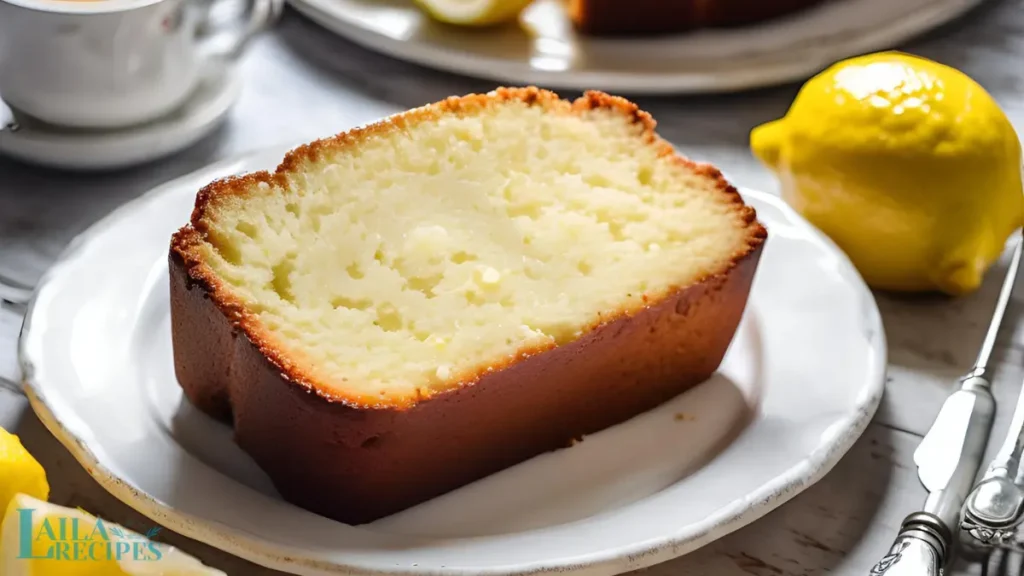
What are the 4 ingredients in classic pound cake?
Interestingly, the original classic pound cake recipe gets its name from the equal amounts (a “pound”) of its four main ingredients:
- Butter
- Sugar
- Eggs
- Flour
As a result of this simple ratio, it creates a rich, dense cake without the need for additional leavening agents like baking powder or soda.
Why is my lemon pound cake dry?
A dry lemon pound cake can result from several factors:
- Overbaking: Baking the cake for too long or at too high a temperature can dry it out. Check for doneness early and use a toothpick to test.
- Too Much Flour: Over-measuring flour can lead to a dry texture. Use the spoon-and-level method or a kitchen scale for accuracy.
- Not Enough Fat or Liquid: Butter, eggs, and milk contribute moisture. If these are reduced or improperly measured, the cake can turn out dry.
- Overmixing: Overmixing the batter develops too much gluten, resulting in a tough, dry cake.
- Storage: If not stored properly, the cake can dry out quickly. Wrap it tightly in plastic wrap or store in an airtight container.
Can you use mayonnaise in lemon cake?
Yes, you can use mayonnaise in a lemon cake! In fact, mayonnaise is often used as a secret ingredient to enhance moisture and richness in cakes. Here’s why it works:
- Moisture: Mayonnaise is made from eggs and oil, which add moisture to the cake.
- Tender Texture: The oil in mayonnaise helps create a soft, tender crumb.
- Flavor Balance: Mayonnaise is neutral in flavor and won’t overpower the lemon taste.
To use mayonnaise, replace some or all of the oil or butter in the recipe with an equal amount of mayonnaise. For example, if the recipe calls for ½ cup of oil, you can substitute it with ½ cup of mayonnaise.
How do you increase the flavor of lemon in a cake?
To enhance the lemon flavor in your cake, try these tips:
- Use Fresh Lemons: Incorporate both the juice and zest of fresh lemons for a bright, natural flavor. The zest contains essential oils that intensify the citrus aroma.
- Add Lemon Extract: A small amount of lemon extract can boost the flavor without adding extra liquid.
- Lemon Syrup: Brush the cake with a lemon simple syrup after baking to infuse it with additional lemon flavor and moisture.
- Lemon Glaze: Finally, top the cake with a lemon glaze made from powdered sugar and lemon juice for an extra tangy finish..
- Candied Lemon Slices: To elevate the presentation, garnish the cake with candied lemon slices for a decorative and flavorful touch.
- Infused Milk: Heat the milk with lemon zest before adding it to the batter to enhance the citrus flavor.
Serving Suggestions for Lemon Pound Cake
This lemon pound cake recipe is incredibly versatile and can be served in a variety of ways. For example:
- Plain: If you’re looking for simplicity, enjoy a slice with a cup of coffee or tea for a simple yet satisfying treat.
- With Fresh Berries: For a fresh and colorful presentation, top with strawberries, blueberries, or raspberries.
- Ala Mode: Alternatively, serve warm slices with a scoop of vanilla ice cream for a decadent dessert.
- With Whipped Cream: For a light and airy topping, add a dollop of whipped cream.
Storing and Freezing Lemon Pound Cake
In fact, one of the best things about this lemon pound cake recipe is how well it stores. So, here’s how to keep your cake fresh:
Storing:
- To keep the cake fresh, wrap it tightly in plastic wrap or store it in an airtight container. Additionally, it will stay fresh at room temperature for up to 3 days or in the refrigerator for up to a week.
Freezing:
- To freeze, wrap individual slices or the whole cake in plastic wrap, followed by aluminum foil. Store in a freezer-safe bag for up to 3 months. Thaw at room temperature before serving.
Frequently Asked Questions About Lemon Pound Cake
While you can use lemon extract, fresh lemon juice provides a more natural and vibrant flavor. If using extract, reduce the amount to 1–2 teaspoons as it’s more concentrated.
Overmixing the batter or using too much flour can result in a dense cake. Be sure to measure your ingredients carefully and mix just until combined.
Absolutely! This lemon pound cake tastes even better the next day, as a result of the flavors having more time to meld together.

Conclusion
This lemon pound cake recipe is a must-try for anyone who loves the bright, tangy flavor of lemon paired with a rich and buttery cake. Whether you’re a seasoned baker or a beginner, this recipe is easy to follow and delivers incredible results every time. With its moist texture, zesty flavor, and versatile serving options, it’s no wonder this lemon pound cake is a crowd favorite.
So, what are you waiting for? Gather your ingredients and start baking today! Don’t forget to share your creations and let us know how this recipe turned out for you. Happy baking!
For More Cakes Recipes:
Don’t miss out! Follow me on Facebook now and join the community.

The Best Lemon Pound Cake Recipe: Moist and Easy
Did you like the recipe? Click on a star to rate it!
Ingredients
For the Cake:
- 1 cup 2 sticks unsalted butter, softened
- 2 ½ cups granulated sugar
- 4 large eggs at room temperature
- 3 cups all-purpose flour
- 1 teaspoon baking powder
- ½ teaspoon baking soda
- ½ teaspoon salt
- 1 cup whole milk at room temperature
- ⅓ cup fresh lemon juice
- 2 tablespoons lemon zest
- 1 teaspoon pure vanilla extract
For the Lemon Glaze:
- 1 cup powdered sugar
- 2 –3 tablespoons fresh lemon juice
- 1 teaspoon lemon zest optional, for garnish
Instructions
- Preheat the Oven: Preheat your oven to 325°F (165°C). Grease and flour a 10-inch bundt pan or loaf pan to prevent sticking.
- Cream Butter and Sugar: In a large mixing bowl, cream the softened butter and granulated sugar with an electric mixer until light and fluffy.
- Add Eggs: Add the eggs one at a time, mixing well after each addition. Ensure the eggs are at room temperature for a smooth batter.
- Mix Dry Ingredients: In a separate bowl, whisk together the all-purpose flour, baking powder, baking soda, and salt.
- Combine Wet and Dry Ingredients: Gradually add the dry ingredients to the butter mixture, alternating with the milk. Begin and end with the dry ingredients. Mix until just combined—do not overmix.
- Add Lemon and Vanilla: Stir in the fresh lemon juice, lemon zest, and vanilla extract until evenly incorporated.
- Pour Batter: Pour the batter into the prepared pan, smoothing the top with a spatula.
- Bake: Bake in the preheated oven for 60–70 minutes, or until a toothpick inserted into the center comes out clean.
- Cool the Cake: Let the cake cool in the pan for 10–15 minutes, then transfer it to a wire rack to cool completely.
- Prepare the Glaze: In a small bowl, whisk together the powdered sugar and fresh lemon juice until smooth. Adjust the consistency by adding more lemon juice if needed.
- Glaze the Cake: Once the cake is completely cooled, drizzle the lemon glaze over the top. Garnish with lemon zest for an extra burst of flavor.