
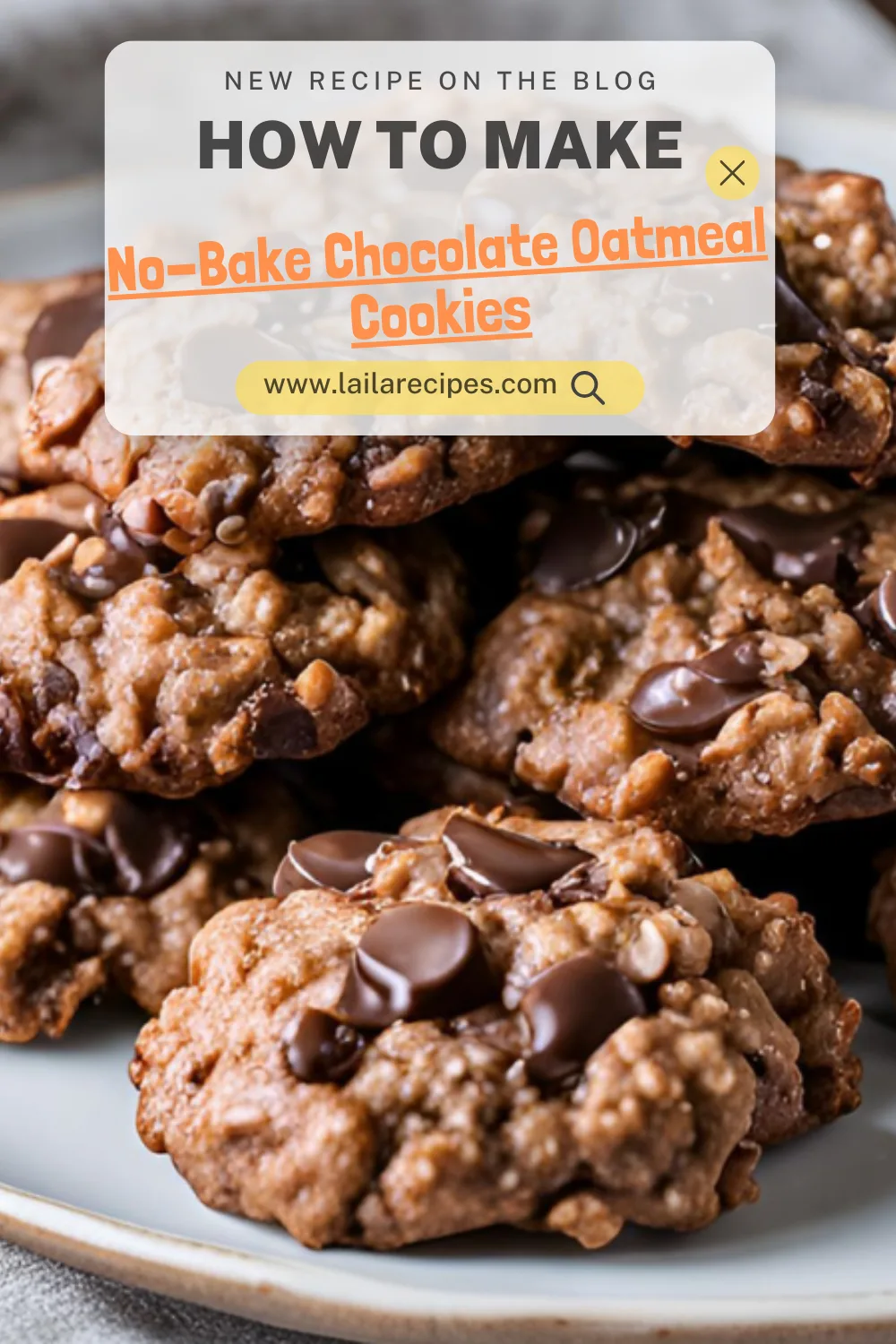
No-Bake Chocolate Oatmeal Cookies are the ultimate solution! This easy recipe combines the rich flavor of cocoa powder, the creaminess of peanut butter, and the hearty texture of oats to create a dessert that’s simple, quick, and absolutely delicious. Whether you’re a novice in the kitchen or a seasoned baker, these cookies will turn out perfect every time.
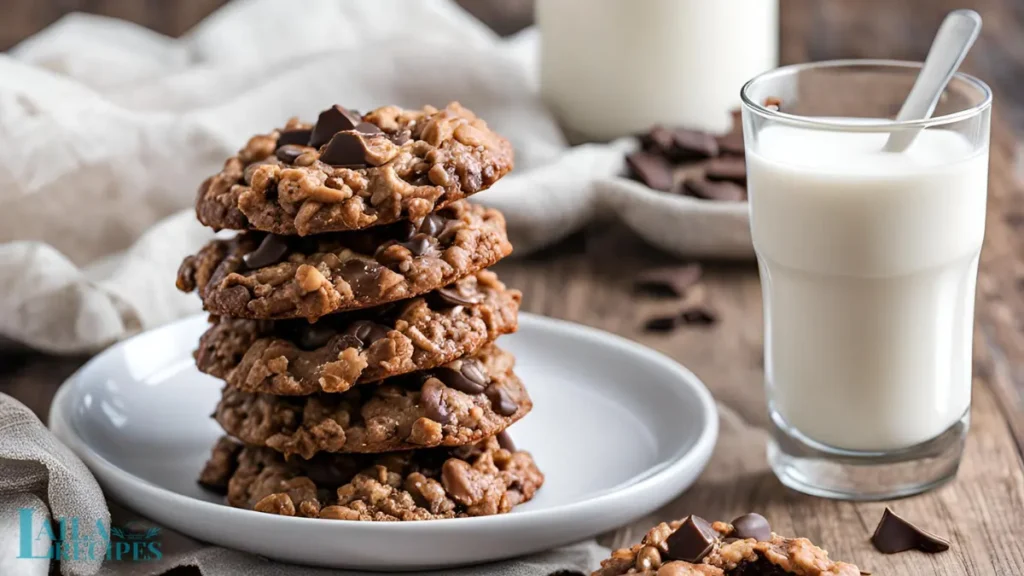
No-Bake Chocolate Oatmeal Cookies share the simplicity of the Toll House Cookie Recipe with their easy preparation. Like Lemon Blueberry Cookies Recipe and Lemon Cookies Recipe, these no-bake treats bring a fresh take on classic cookie flavors—perfect for quick desserts with a twist!
Ingredients For Chocolate Oatmeal No Bake Cookies
Key Ingredients
- Old-Fashioned Oats or Quick Cooking Oats: These form the chewy base of the cookies.
- Cocoa Powder: Delivers that deep, chocolatey flavor we all love.
- Creamy Peanut Butter: Helps bind the ingredients while adding a rich, nutty taste.
- Sugar and Milk: These work together to create the syrupy base of the cookie mixture.
- Butter: Adds richness and ensures smooth blending.
- Vanilla Extract: Enhances the flavor with its sweet aroma.
Optional Add-Ins
- Chopped nuts for added crunch.
- Mini chocolate chips to double up on chocolate goodness.
- A sprinkle of shredded coconut for extra texture.
Tools and Equipment
- Medium Saucepan: To combine and heat the base ingredients.
- Baking Sheets or Parchment Paper: For shaping and cooling the cookies.
- Wooden Spoon or Spatula: For stirring the mixture.
- Measuring Cups and Spoons: To get precise amounts of each ingredient.
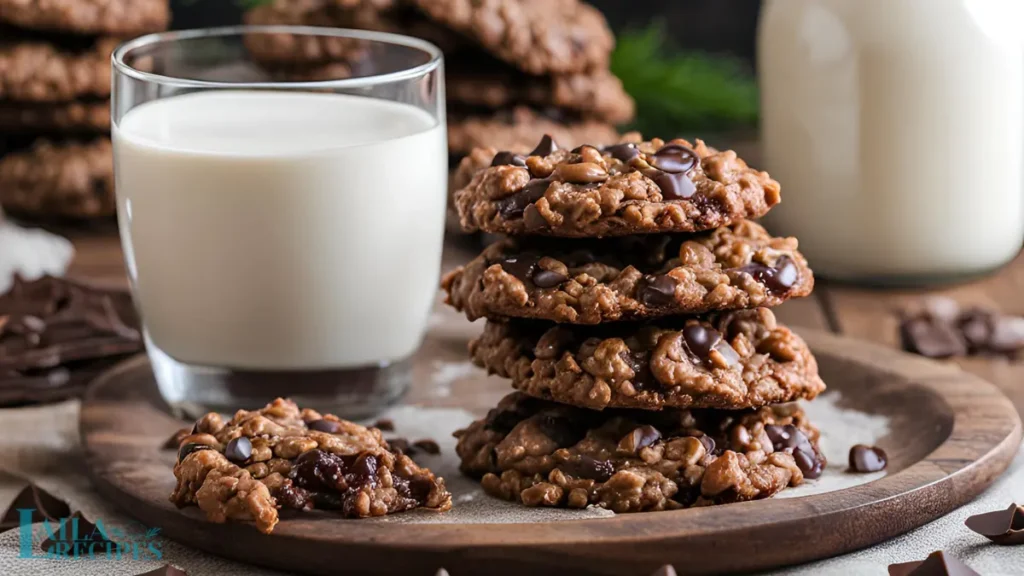
How to Make No-Bake Chocolate Oatmeal Cookies
Step-by-Step Instructions
- Prepare Your Work Area: Line baking sheets with parchment paper or wax paper to prevent sticking.
- Heat the Base Ingredients: In a medium saucepan over medium heat, combine the butter, sugar, milk, and cocoa powder. Stir until the mixture is smooth.
- Bring to a Boil: Increase the heat slightly and let the mixture reach a rolling boil. Boil for 1 minute, stirring constantly to prevent burning.
- Remove from Heat: Immediately take the saucepan off the heat and stir in the creamy peanut butter and vanilla extract until fully incorporated.
- Add the Oats: Gradually mix in the old-fashioned oats or quick cooking oats, ensuring they are evenly coated.
- Shape the Cookies: Use a spoon or cookie scoop to drop the mixture onto the prepared baking sheets. Flatten slightly for a classic cookie shape.
- Cool and Set: Allow the cookies to cool at room temperature until firm, or place them in the refrigerator for faster setting.
Tips For No-Bake Chocolate Oatmeal Cookies
- Look for a rolling boil: Ensure there are large bubbles in the middle of the pan with a foamy and frothy boil before moving to the next step. Skipping this or not boiling long enough will result in cookies that don’t set up.
- Stir continuously: Your ingredients will burn if you walk away from the pan, so keep stirring.
- Work quickly: This recipe moves fast. Once the mixture has boiled and you are adding the other ingredients, move quickly to scoop all your cookies before they start to set.
- Use old-fashioned oats: No Bake Chocolate Oatmeal Cookies work best with old-fashioned oats. Quick oats are finer, have a different texture, and may not set up as well. If you only have quick-cooking oats, you can still use them and enjoy the cookies.
- Use real butter, not margarine: For the best results, stick with real butter.
Variations to Try
Flavor Twists
- Nut Butter Swap: Substitute peanut butter with almond or cashew butter for a unique flavor.
- Extra Chocolate: Add chocolate chips to the mixture for a double chocolate oatmeal experience.
- Healthier Version: Replace sugar with honey or maple syrup for a natural sweetener.
Vegan-Friendly Option
Replace butter with coconut oil and use a plant-based milk alternative to make this recipe vegan.
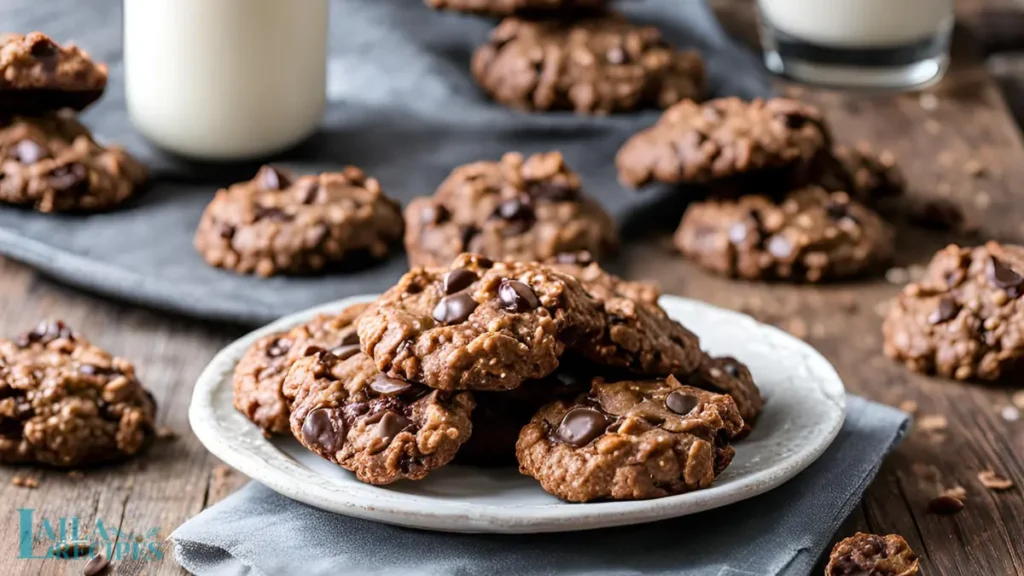
No-bake chocolate oatmeal cookies without peanut butter
If you’re looking for a version of no-bake chocolate oatmeal cookies without peanut butter, you’re in luck! Peanut butter is often used as a binder, but there are several alternatives that can replace it. Almond butter or sunflower seed butter work well for a nutty flavor, while cream cheese offers a non-nutty yet creamy option.
To make this variation, simply replace the peanut butter in your recipe with the substitute of your choice in equal amounts. The result is just as delightful, with the same chewy texture and chocolatey goodness.
No-bake chocolate oatmeal cookies with peanut butter
The classic version of no-bake chocolate oatmeal cookies includes creamy peanut butter for a nutty flavor and a smooth consistency. To prepare, you’ll typically combine sugar, milk, butter, and cocoa powder in a saucepan over medium heat. Bring it to a rolling boil, then let it boil for 1 minute before removing it from heat. Stir in peanut butter and vanilla extract, followed by oats, to create a mixture that sets into cookies once cooled.
The peanut butter not only enhances the taste but also helps the cookies bind together for that perfect chewy texture.
Why didn’t my No-Bake Chocolate Oatmeal Cookies harden?
One of the most common issues with no-bake cookies is when they don’t harden. This is usually due to underboiling the sugar mixture. For the cookies to set properly, the sugar mixture needs to reach a specific temperature (around 235°F to 240°F), also known as the soft-ball stage.
Ensure the mixture comes to a rolling boil and stays boiling for a full minute. Underboiling leaves too much moisture, preventing the cookies from firming up.
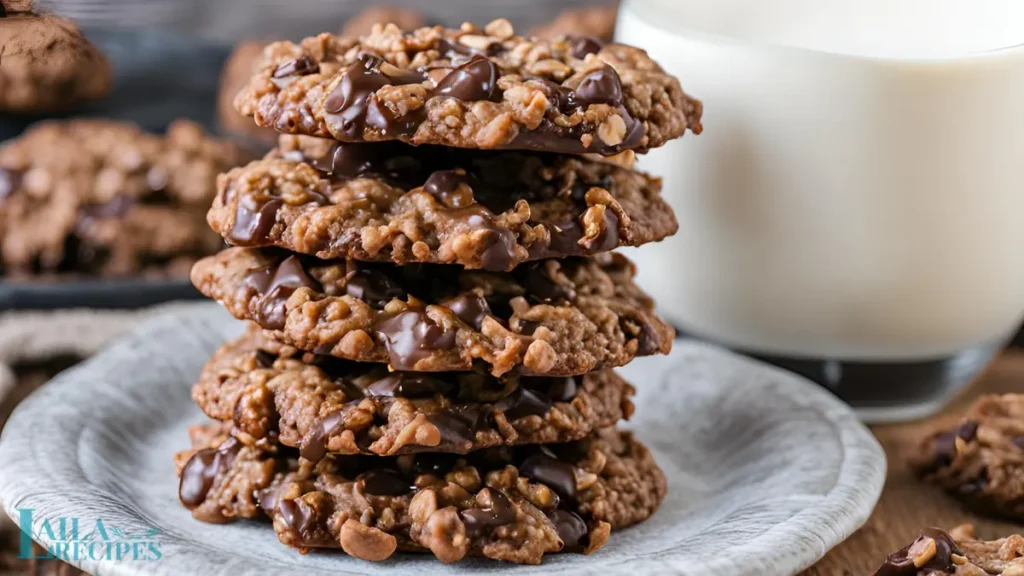
Why are my No-Bake Chocolate Oatmeal Cookies gooey?
Gooey cookies are often caused by the same issue as cookies that don’t harden—underboiling the sugar mixture. Without enough time to thicken, the mixture remains too wet.
To fix this, boil the sugar mixture for a precise 1 minute after reaching a rolling boil. Also, allow the cookies to cool completely on parchment paper or wax paper before handling them.
Why are my No-Bake Chocolate Oatmeal Cookies dry?
Dry cookies are typically the result of overboiling the sugar mixture. If the mixture boils for too long, too much moisture evaporates, leaving the cookies dry and crumbly.
To prevent this, set a timer as soon as the mixture starts boiling and remove it from heat after exactly 1 minute. Additionally, measure the oats carefully; too many oats can also make the cookies overly dry.
Why can’t you use instant oats in cookies?
Instant oats may seem convenient, but they’re not ideal for no-bake cookies. They absorb liquid too quickly, which can lead to cookies that are either too dry or too gummy.
Instead, use old-fashioned oats for a chewier texture or quick-cooking oats for a softer consistency. Both options balance moisture absorption and texture, resulting in cookies that turn out perfect every time.
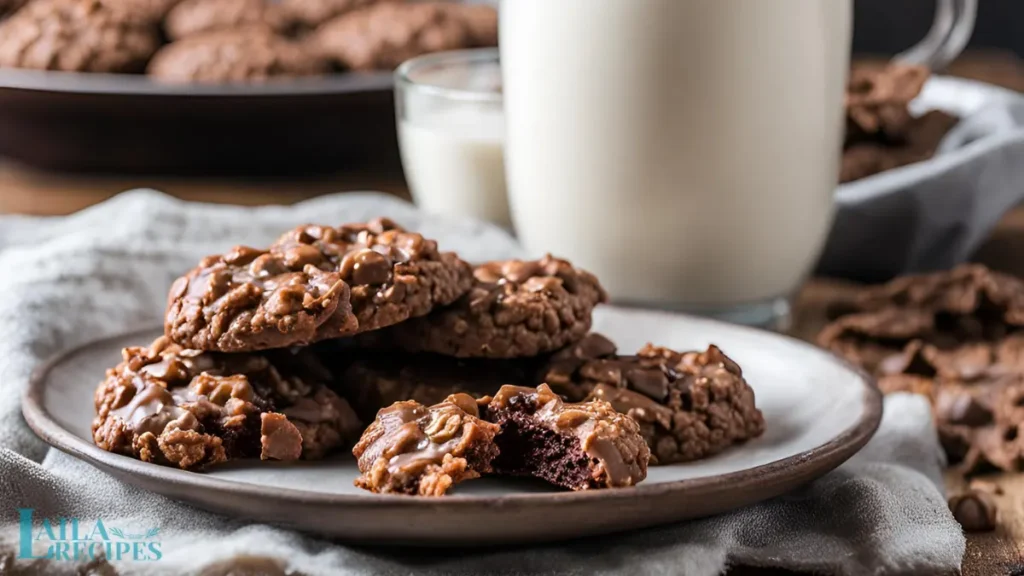
How do I get my No-Bake Chocolate Oatmeal Cookies to harden?
To ensure your no-bake cookies harden correctly, focus on the sugar mixture. Boil it for exactly 1 minute, then mix in the remaining ingredients quickly before spooning the mixture onto parchment or wax paper.
Let the cookies set at room temperature for about 30–60 minutes. For faster results, place them in the refrigerator for 15–20 minutes. Proper cooling is key to achieving a firm texture.
Why do my oatmeal cookies taste dry?
Dry-tasting cookies can result from several factors, such as overboiling the sugar mixture, adding too many oats, or not using enough fat like butter or peanut butter.
To avoid dryness, stick to the recipe’s measurements and cooking times. If you still encounter dryness, consider adding a tablespoon of milk or reducing the amount of oats slightly.
What happens if you don’t chill oatmeal cookie dough?
For traditional baked oatmeal cookies, skipping the chilling step can lead to cookies that spread too much and lose their shape. However, in no-bake recipes, chilling isn’t a requirement since the cookies set at room temperature. That said, refrigerating them can help speed up the process and ensure they firm up more quickly.
How long does it take for no-bakes to set up?
No-bake cookies generally take about 30 minutes to 1 hour to set at room temperature. If you’re short on time, place them in the fridge for 15–20 minutes. Be patient—handling the cookies too soon can cause them to fall apart.
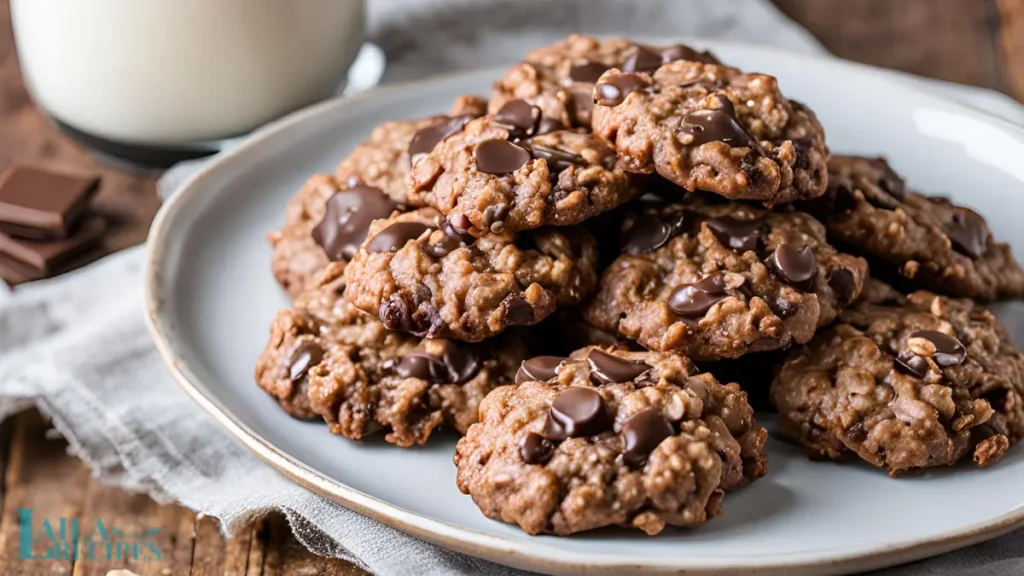
Why are my homemade oatmeal cookies hard?
Hard oatmeal cookies can be the result of overmixing, overcooking, or using too much dry ingredient compared to the wet ingredients. Overboiling the sugar mixture can also lead to cookies with a hard, brittle texture.
For softer cookies, use a light hand when mixing, stick to the recommended boiling time, and ensure the right balance of ingredients.
Why Are My Cookies Still Gooey After Baking?
If your cookies are still gooey after baking, the likely culprit is underbaking. Cookies need enough time in the oven for the dough to set and the moisture to evaporate. Another possibility is using too much wet ingredient, such as butter or eggs, which prevents the cookies from firming up.
Fix:
- Double-check your oven temperature with an oven thermometer to ensure it’s accurate.
- Bake the cookies for a few more minutes until the edges are golden brown, but keep an eye on them to avoid overbaking.
- If gooey centers are your preference, allow the cookies to cool completely before handling—they firm up as they cool.
Why Is My Baked Oatmeal Gummy?
Gummy baked oatmeal results from either too much liquid in the recipe or not baking it long enough. Using certain ingredients like instant oats or overripe bananas can also contribute to a gummy texture.
Fix:
- Use old-fashioned oats for a better texture since they absorb liquid more evenly.
- Follow the recipe’s instructions for liquid measurements closely, and avoid adding extra milk or eggs.
- Bake until the top is golden and the center is firm when lightly pressed.
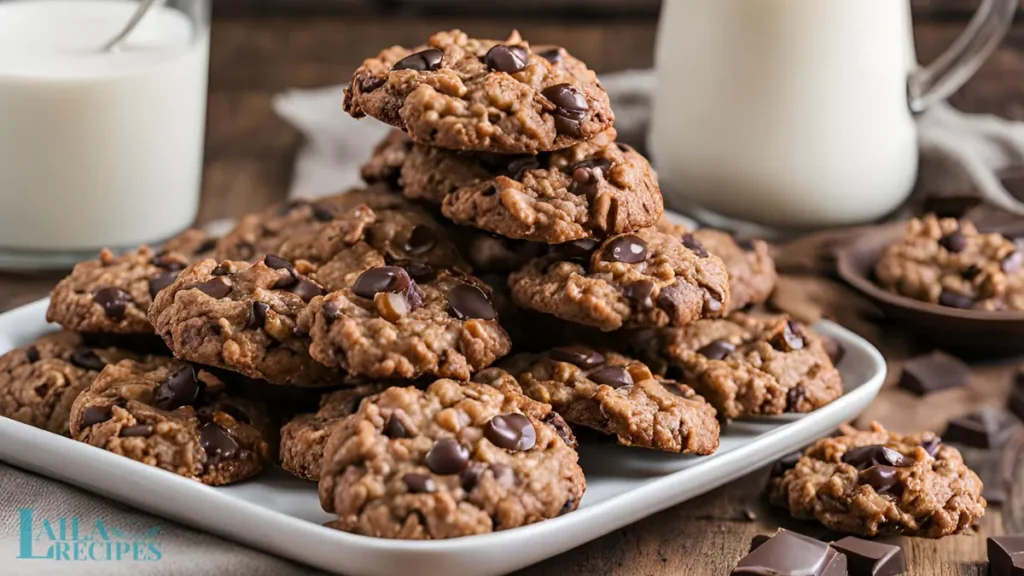
How Do You Fix Gooey Cookies?
If your cookies turn out gooey after baking, you can often fix them by returning them to the oven.
Steps to Fix Gooey Cookies:
- Preheat the oven to a lower temperature (about 300°F).
- Place the cookies back on a baking sheet and bake for an additional 3–5 minutes.
- Let the cookies cool on the baking sheet for at least 10 minutes to firm up.
If you suspect the dough was too wet, consider adjusting the ingredients for the next batch. Adding an extra tablespoon of flour or reducing the butter slightly can help achieve a firmer texture.
Should Oatmeal Cookies Be Refrigerated Before Baking?
Yes, refrigerating oatmeal cookie dough before baking can significantly improve the texture and flavor. Chilling allows the fat in the dough (like butter) to solidify, preventing the cookies from spreading too much during baking. It also enhances the flavor by allowing the ingredients to meld together.
How to Chill Oatmeal Cookie Dough:
- Scoop the dough into individual balls and place them on a baking sheet.
- Cover with plastic wrap and refrigerate for at least 30 minutes, or up to 24 hours for more flavor development.
- Bake directly from the refrigerator, adding 1–2 minutes to the baking time if needed.
Benefits of Refrigeration:
- Chewier texture and thicker cookies.
- More pronounced flavors due to better ingredient integration.
With these tips, your oatmeal cookies are bound to turn out perfect every time! 😊
Storage Tips
Keep your cookies in an airtight container for up to a week at room temperature. For longer storage, refrigerate them for up to two weeks or freeze them for up to three months. Just let them thaw at room temperature before enjoying.
Serving Suggestions
These cookies pair wonderfully with a cold glass of milk, a warm cup of coffee, or even a scoop of vanilla ice cream. They’re perfect for sharing at parties or enjoying as a midday snack.
Why You’ll Love No-Bake Chocolate Oatmeal Cookies
No-bake recipes like this are the ultimate time-savers. They’re simple, mess-free, and packed with flavor. The combination of chocolate oatmeal, peanut butter, and vanilla creates a treat that’s both nostalgic and modern. Plus, there’s no need to worry about overbaking—these cookies are fail-proof!

Conclusion
No-bake chocolate oatmeal cookies are the perfect go-to dessert for anyone who loves simplicity without compromising on taste. With just a saucepan, a few ingredients, and some baking sheets, you can whip up a batch of these delightful treats in no time. So next time your sweet tooth calls, you know what to do—give this easy recipe a try and enjoy the magic of no-bake baking!
FAQs About No-Bake Chocolate Oatmeal Cookie
Old-fashioned oats are chewier, while quick cooking oats create a softer texture. Both work well in this recipe.
You can substitute peanut butter with sunflower seed butter or almond butter, but it’s essential for binding the cookies.
Replace sugar with a natural sweetener like stevia, honey, or maple syrup. Adjust boiling time accordingly.
Crumbly cookies usually result from overboiling the sugar mixture. Be sure to boil for only 1 minute.
Absolutely! Just ensure you have enough parchment paper and baking sheets for all the cookies.
Don’t miss out! Follow me on Facebook now and join the community.

No-Bake Chocolate Oatmeal Cookies
Did you like the recipe? Click on a star to rate it!
Ingredients
- 2 1/4 cups old-fashioned oats 200.25 grams
- 1 cup creamy peanut butter 270 grams
- 2 cups granulated sugar 396 grams
- 1/2 cup milk I used skim (118.294 ml)
- 8 tablespoons butter 113 grams
- 1/2 cup cocoa powder 42 grams
- 1 tablespoon vanilla
Instructions
- Line two baking sheets with wax paper.
- Add the oats and peanut butter to a large bowl. Set aside.2 1/4 cups old-fashioned oats1 cup creamy peanut butter
- In a large saucepan over medium heat, combine the granulated sugar, milk, butter, and cocoa powder. Bring to a roaring boil, stirring consistently.2 cups granulated sugar1/2 cup milk8 tablespoons butter1/2 cup cocoa powder
- Boil for one minute, continuing to stir. It’s crucial that it’s at a full boil for one full minute. Stir in the vanilla.1 tablespoon vanilla
- Remove from heat, and working quickly, pour the mixture over the oat and peanut butter mixture. Stir to combine.
- Using a large spoon, scoop spoonfuls of the mixture onto the wax paper. Allow to cool completely. Enjoy immediately or store in an airtight container for up to a week.