

Scones recipe lovers know that nothing beats the smell of freshly baked scones wafting through the kitchen. Whether you prefer them sweet with a touch of jam and cream or savory with a hint of herbs and cheese, scones are the perfect treat for any time of day. With simple ingredients like flour, butter, and milk, you can whip up a batch in no time and enjoy a warm, flaky delight straight from the oven.

What Are Scones?
At first glance, scones might seem like just another baked good. However, they are much more than that! A classic scones recipe creates a delightful treat, often served with tea or coffee. Scones are a quick bread that originated in Scotland and have become a staple in many households.
Discover more delicious breakfast ideas: Toll House Cookie Recipe, No-Bake Chocolate Oatmeal Cookies, Peanut Butter Rice Krispie Treats, Rice Krispie Treat Recipe, Best Sourdough Pancakes, Granola Recipe, Banana Oat Muffins, Pumpkin Muffins, Banana Pudding Recipe, 3-Ingredient Mug Cake, and Southern Cornbread Recipe. These simple yet flavorful recipes are perfect for kickstarting your day with ease and joy!
History of Scones
Scones have a rich history, dating back centuries. During the 16th century, they were baked using oats and cooked on griddles. Over time, they evolved into the buttery, flaky treats we love today.
Ingredients Needed for the Best Scones Recipe
The Basics: Flour, Sugar, and Butter
- Flour: All-purpose flour works best because it balances structure and tenderness.
- Sugar: Adds sweetness but doesn’t overpower.
- Butter: Always use cold butter for a flaky texture.
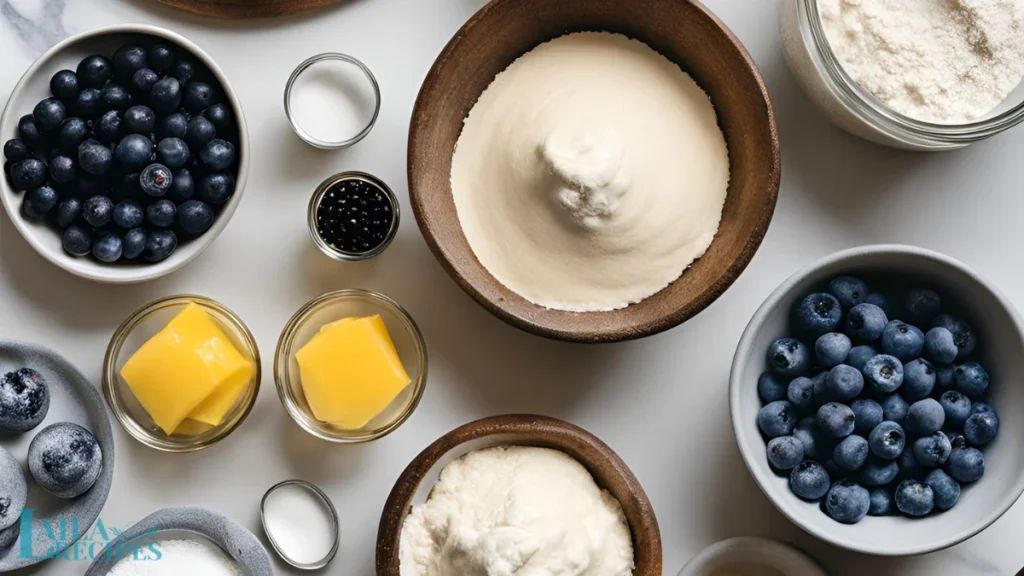
Adding Flavor: Fruits, Spices, and Herbs
Another way to elevate your scones recipe is by adding mix-ins:
- Fruits: Blueberries, raisins, or cranberries.
- Spices: Cinnamon or nutmeg.
- Herbs: Rosemary or thyme for savory options.
How to Make Best Scones recipe: Step-by-Step
Preparing the Ingredients
Before starting, gather everything you need. Preheat your oven to 400°F, line a baking sheet with parchment paper, and measure your ingredients.
Mixing the Dough
- In a bowl, combine flour, sugar, and baking powder.
- Cut cold butter into the mixture until it resembles breadcrumbs.
- Gradually add milk or cream, mixing until just combined.
Shaping the Scones
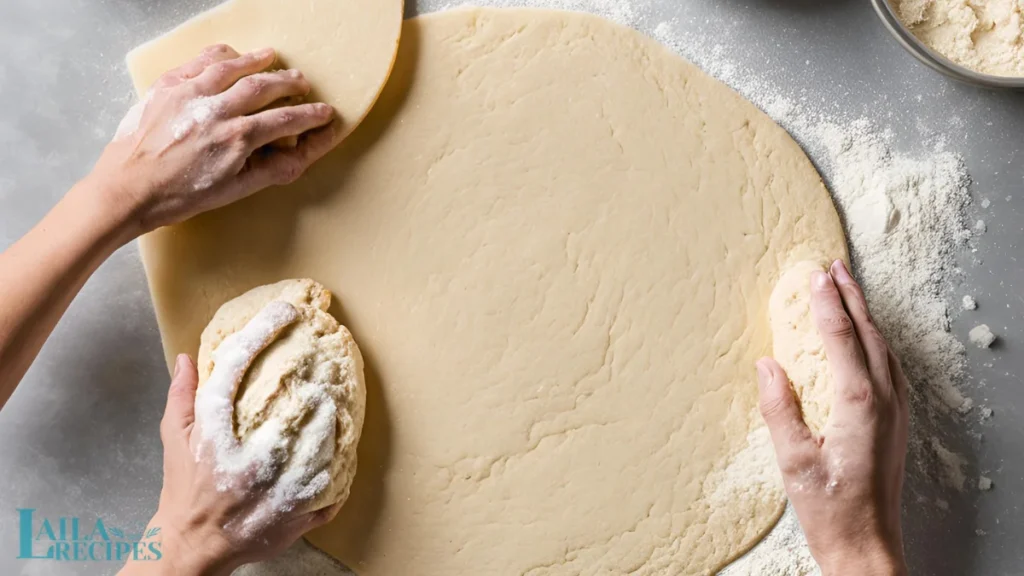
Shape the dough into a circle, about 1-inch thick, and cut it into triangles or use a cutter for rounds.
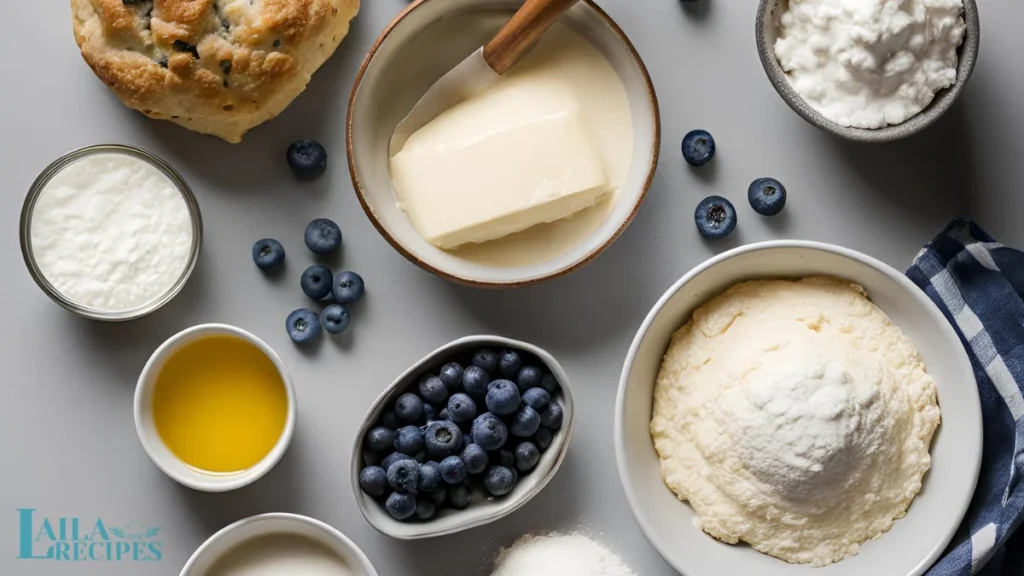
Baking Tips for Perfect Scones
Choosing the Right Oven Temperature
So, why 400°F? This temperature ensures a crispy exterior and a soft, fluffy interior.
Baking Time and Texture
Bake for 12-15 minutes or until golden brown. Keep an eye on them during the last few minutes.
Common Variations of the English Scones Recipe
Sweet Scones
- Chocolate Chip Scones: Add ½ cup of chocolate chips.
- Blueberry Scones: Fold in fresh blueberries for a fruity twist.
Savory Scones
- Cheddar Cheese Scones: Mix shredded cheese into the dough.
- Herbed Scones: Add chopped rosemary or thyme.
Pairing Ideas for Scones
- Teas: Earl Grey or chamomile pairs beautifully.
- Spreads: Serve with clotted cream, jam, or honey.
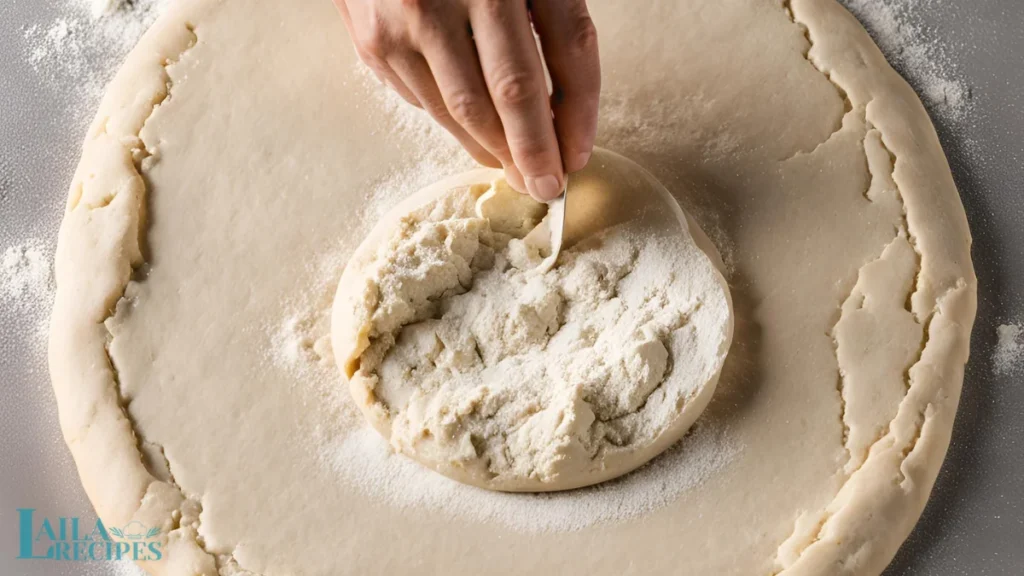
Common Mistakes to Avoid
- Overmixing the Dough: This can make the scones tough.
- Using Warm Butter: Always keep it cold for the best texture.
Nutritional Value of Scones
Scones are a treat, but they can be made healthier. A typical serving contains around 250 calories. To reduce calories, substitute sugar with a natural sweetener.
Scones Recipe for Special Diets
Gluten-Free Scones
Use almond flour or a gluten-free baking mix.
Vegan and Dairy-Free Options
Replace butter with coconut oil and milk with almond or oat milk.
Storage and Reheating Tips
Keeping Scones Fresh
Store them in an airtight container for up to 3 days.
How to Reheat Without Drying
Wrap them in foil and heat in the oven for 5-7 minutes at 300°F.
Why Your Scones Recipe Didn’t Turn Out Right
- Issues with Rising: Check your baking powder’s freshness.
- Texture Problems: Avoid overworking the dough.
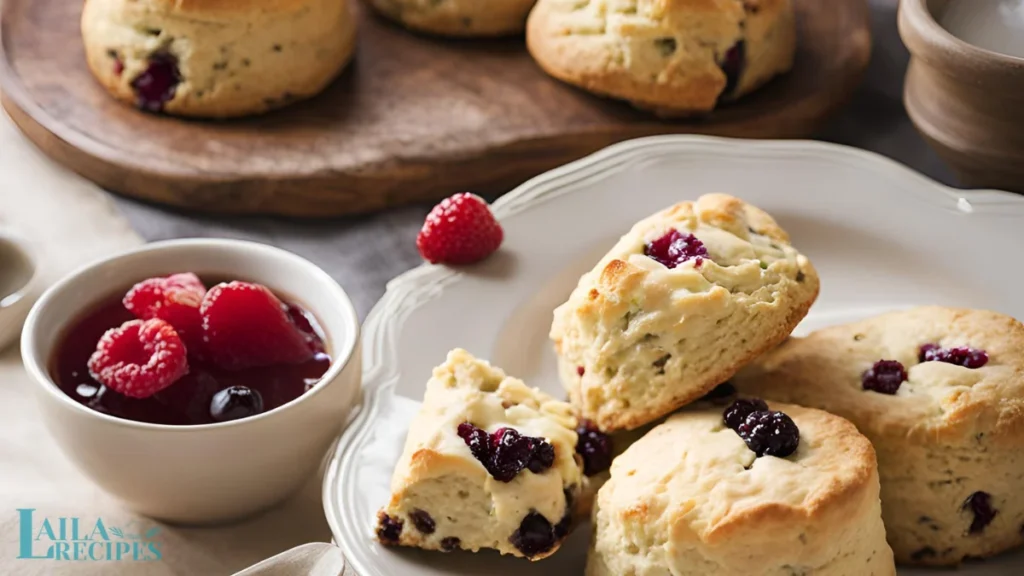
Best Scones Recipe
Firstly, the best scones recipe delivers a buttery, flaky texture and a soft, tender crumb. It requires high-quality ingredients like cold butter, fresh cream, and self-rising flour to ensure the perfect rise. The secret to achieving this perfection lies in not overmixing the dough, which keeps the scones light and airy.
So, to make the ultimate scones, chill all your ingredients before beginning. This helps create that flaky texture we all love. Pair them with clotted cream and jam for a classic treat, or experiment with toppings like lemon curd or honey for an exciting twist.
Scones Recipe Easy 4 Ingredients
At first, the idea of baking scones might seem daunting, but an easy 4-ingredient scones recipe simplifies the process. All you need are self-rising flour, heavy cream, sugar, and butter. These pantry staples make it a breeze to whip up a fresh batch.
Then, mix the ingredients gently to form a soft dough, shape it into rounds, and bake until golden brown. Because this recipe requires minimal effort, it’s perfect for beginners or anyone short on time. Serve warm with a drizzle of honey or a dollop of jam for a satisfying snack.
Easy Scone Recipe
During busy mornings or last-minute tea parties, an easy scone recipe is a lifesaver. By using simple techniques and readily available ingredients, you can create bakery-quality scones in under 30 minutes. The key is to handle the dough with care to keep it light and fluffy.
After that, bake the scones at a high temperature for a quick rise. Also, adding a brush of cream or milk to the tops before baking gives them a golden, glossy finish. These scones are as delicious as they are effortless!
English Scones Recipe
At first, the English scones recipe might seem similar to its American counterpart, but it stands out with its delicate texture and less sweet flavor. These scones are traditionally round and served with clotted cream and jam, making them a staple in British afternoon tea.
So, the trick to nailing this recipe is to avoid overworking the dough and to use cold ingredients. Pair these classic scones with a strong cup of tea for the full English experience, whether at breakfast or as an afternoon indulgence.
Soft Scones Recipe
Basically, a soft scones recipe prioritizes tenderness and a melt-in-your-mouth feel. Achieving this texture involves using ingredients like buttermilk or yogurt, which help to create a moist and fluffy crumb. Soft scones are ideal for both sweet and savory variations.
Afterward, bake the scones at the right temperature to prevent them from becoming dry. Then, let them cool slightly before serving to enjoy their full flavor and texture. These soft scones are guaranteed to impress at any gathering.
Recipe for Big Fluffy Scones
If you’ve ever wondered how to make café-style scones, this recipe for big fluffy scones is your answer. The secret lies in using a generous amount of baking powder and cutting the dough thickly before baking. This creates those towering, airy scones that are perfect for piling high with toppings.
Finally, bake them at a high temperature to ensure a quick rise and a soft interior. Pair these fluffy scones with rich spreads like Nutella or cream cheese for a decadent treat.

Scones Recipe with Eggs
Another variation to try is a scones recipe with eggs, which adds richness and structure to the dough. Because eggs bind the ingredients, they contribute to a smoother texture and a slightly denser crumb, perfect for those who enjoy hearty scones.
Then, incorporate the eggs into the wet mixture before combining it with the dry ingredients. This step ensures even distribution and a consistent rise. These scones are versatile and pair beautifully with both sweet and savory toppings.
What is the Secret to Making Good Scones?
The secret to making good scones lies in using cold ingredients and handling the dough as little as possible. Cold butter ensures flakiness, while minimal mixing prevents the dough from becoming tough. Another key is to roll the dough to the right thickness—about 1 inch—for tall, fluffy scones. Baking them at a high temperature, such as 400°F, allows the scones to rise quickly and develop a golden crust.
Lastly, adding a touch of sugar enhances the flavor, and brushing the tops with cream or milk gives them a beautiful finish. Follow these steps, and you’ll have bakery-worthy scones every time.
What to Avoid When Making Scones?
To avoid disappointment, don’t overmix the dough. Overworking it can lead to dense, chewy scones instead of the light, flaky texture you want. Another mistake to avoid is using warm butter; it must be cold to create those flaky layers.
Additionally, don’t skip preheating the oven or set the temperature too low, as this can result in scones that don’t rise properly. Finally, avoid rolling the dough too thin; thick dough ensures fluffy, substantial scones.
What is the Difference Between American Scones and British Scones?
The primary difference lies in texture and sweetness. British scones are softer, less sweet, and often served with clotted cream and jam as part of afternoon tea. They are usually round and meant to be split open and topped.
In contrast, American scones are sweeter, denser, and often triangular. They’re frequently baked with mix-ins like chocolate chips, nuts, or fruit and are eaten without additional spreads. Both styles are delicious but offer distinct experiences.

Is Buttermilk or Heavy Cream Better for Scones?
It depends on the texture and flavor you prefer. Buttermilk adds a slight tang and creates a tender crumb, making it ideal for soft scones. It also reacts with baking soda to enhance the rise.
Heavy cream, on the other hand, gives a richer flavor and a denser, more luxurious texture. For sweet scones, heavy cream is often preferred, while buttermilk works well for both sweet and savory variations.
Conclusion
In summary, mastering a scones recipe is easy with a few tips and tricks. Whether you prefer sweet or savory, scones are versatile and perfect for any occasion. With the right ingredients, patience, and love for baking, you’ll create a batch that everyone will adore.
FAQs About Scones Recipe
Overmixing the dough or using warm ingredients can make scones dense.
Butter’s solid texture creates flaky layers and adds a rich flavor.
Heavy cream makes scones richer but slightly denser than buttermilk.
Butter is better as it creates a flaky texture and rich flavor.
A good scone is flaky, tender, and evenly golden.
Self-rising flour is ideal for making light and fluffy scones.
Don’t miss out! Follow me on Facebook now and join the community.

Scones Recipe
Did you like the recipe? Click on a star to rate it!
Ingredients
- 3 cups 450g self-raising flour (Note 1)
- 80 g 3 oz cold salted butter, cut into 1 cm (2/5″) cubes (Note 2)
- 1 cup 250 ml cold milk (Note 2)
- Extra flour for dusting
- Extra milk for brushing
Serving:
- Strawberry jam or your preferred jam
- 1 cup 250 ml whipping cream
- 1 tbsp white sugar
- 1/2 tsp vanilla extract optional
Instructions
- Preheat the oven to 200°C (390°F) for a standard oven or 180°C (350°F) for a fan/convection oven.
- Place the flour and butter into a food processor and blitz on high for 8 seconds until the mixture resembles breadcrumbs.
- Pour the cold milk evenly over the flour (avoid pouring it in one spot). Blitz on high for 6 to 8 seconds until the dough starts forming into balls.
- Transfer the dough to a work surface and scrape out any residual bits from the food processor.
- Gently knead the dough 8-10 times to bring it together into a smooth ball. Pat it down into a 2 cm (4/5″) thick disc. If necessary, dust with extra flour.
- Optionally, lightly roll across the top with a rolling pin to smooth it out.
- Dip a 5 cm (2″) round cutter into extra flour and press it straight down into the dough (do not twist). Repeat across the entire disc.
- Remove the excess dough around the scones, then carefully transfer the scones onto a baking tray, ensuring not to smear or press the cut edges.
- Gather the dough scraps and repeat the process. You should get about 10 scones in total.
- Brush the tops lightly with milk (optional).
- Bake for 10-12 minutes or until the tops are golden and the scones sound hollow when tapped.
- Remove the scones from the oven, transfer them to a dish towel, and wrap loosely (this keeps the tops soft).
- Allow to cool for about 10-15 minutes, then serve warm. Traditionally, scones are split with hands (no knife!), spread with jam, and topped with cream.
Cream:
- Whip the cream, sugar, and vanilla extract until soft peaks form. This will yield about 2 cups of whipped cream.
Make It And rate it thanks