
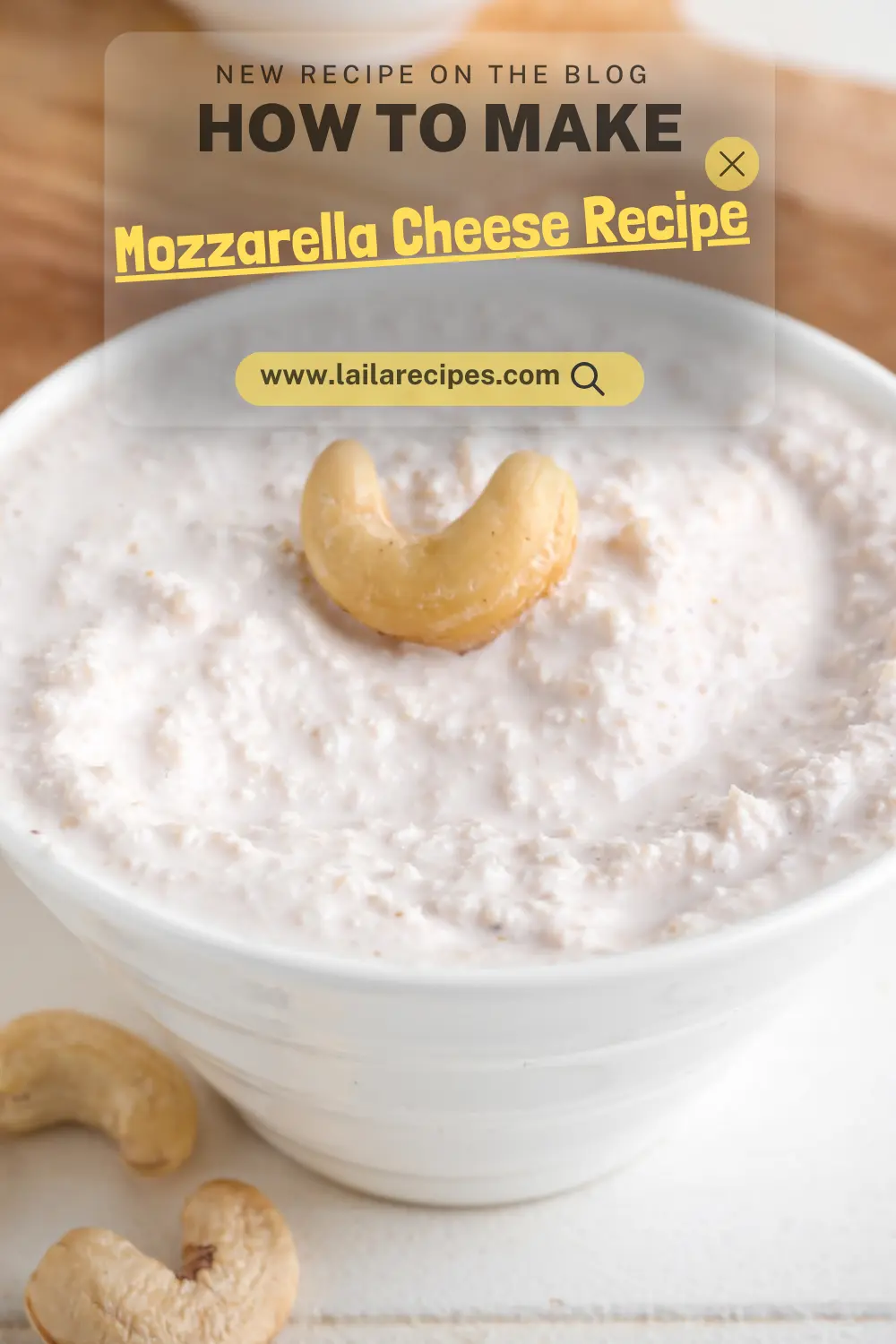
Mozzarella Cheese is one of the most beloved cheeses in the world. Its creamy texture, mild flavor, and versatility make it a staple in countless dishes, from pasta dishes to fresh salads. Whether you’re a home cook looking to make your own fresh mozzarella or someone who enjoys savoring it in classic recipes like caprese salad, this guide covers everything you need to know about mozzarella cheese.
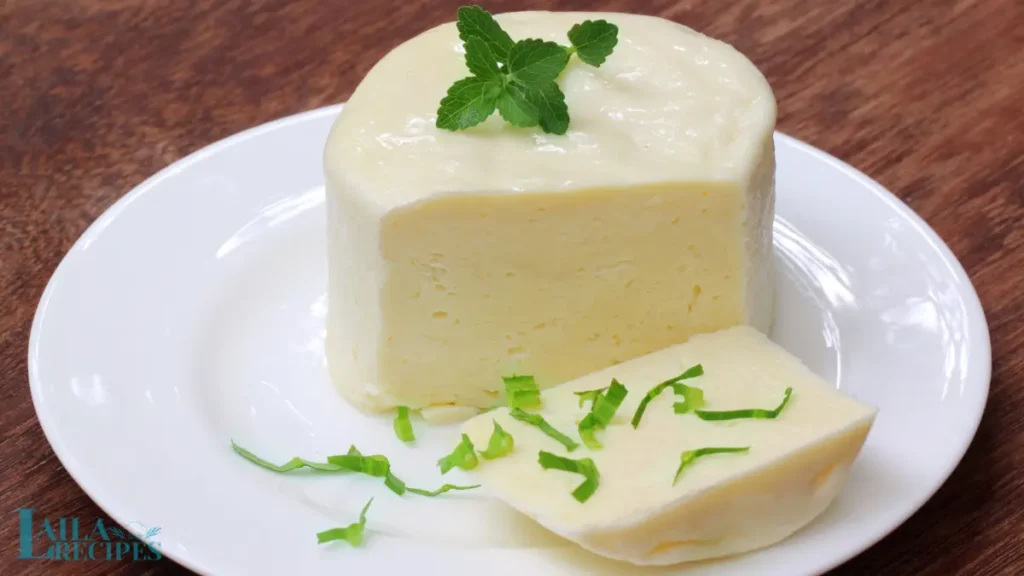
In this comprehensive guide, we’ll explore the history of mozzarella, how to make it at home using ingredients like pasteurized milk and rennet mixture, and the many ways you can incorporate it into your favorite meals. Plus, we’ll share tips for achieving the perfect texture, whether you’re working with cow’s milk or goat milk. So, let’s dive into the delicious world of mozzarella cheese!
If you’re looking for a versatile Mozzarella Cheese Recipe, it pairs perfectly with dishes like the classic Barilla Lasagna Recipe or creative Lasagna Roll Ups Recipe, where its creamy, melty texture takes center stage. Mozzarella also shines in a hearty Hamburger Casserole, adding a rich, cheesy layer to complement the savory flavors. While it may seem unexpected, mozzarella can even be a unique addition to a Ceviche Recipe, offering a mild, creamy contrast to the bright, zesty seafood flavors. Mozzarella truly elevates any dish with its versatility and taste!
A Brief History of Mozzarella Cheese
Homemade Mozzarella Recipe has its origins in southern Italy, where it was traditionally made from the milk of water buffalo. Known for its soft and stretchy texture, mozzarella is classified as a pasta filata cheese, meaning it’s made by heating and stretching the curds. The name “mozzarella” comes from the Italian word “mozzare,” which means “to cut,” referring to the process of shaping and cutting the cheese during production.
Today, mozzarella is made worldwide using a variety of milks, including pasteurized milk, skimmed milk, and even goat milk. Its popularity has grown due to its versatility, making it a key ingredient in everything from pizzas to pasta dishes.
How To Make Mozzarella Cheese
Making mozzarella cheese at home may sound intimidating, but it’s surprisingly simple if you follow the right steps. With just a few ingredients and tools, you can create your own fresh mozzarella that tastes better than anything you can buy at the store. Here’s a step-by-step guide:
Ingredients You’ll Need:
- 1 gallon of pasteurized milk (avoid ultra-pasteurized milk, as it won’t curdle properly)
- 1 1/2 teaspoons of citric acid
- 1/4 teaspoon of liquid rennet or a rennet mixture
- 1 teaspoon of salt
- Water (for dissolving citric acid and rennet)
Tools Required:
- A large pot
- A thermometer
- A slotted spoon
- A knife (to cut the curds)
- A microwave-safe bowl
- Rubber gloves (optional, but helpful for handling hot cheese)
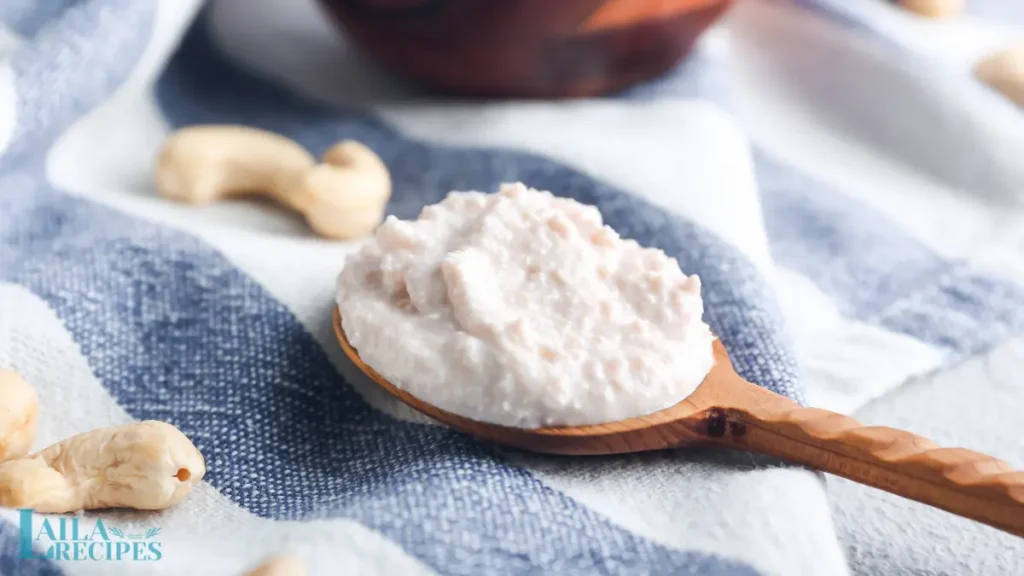
Step-by-Step Instructions:
1. Heat the Milk
Pour the pasteurized milk into a large pot and slowly heat it to 90°F (32°C). Stir continuously to ensure even heating. Dissolve the citric acid in 1/4 cup of water and add it to the milk. This step helps acidify the milk, which is essential for curd formation.
2. Add the Rennet Mixture
Dissolve the rennet mixture in a small amount of water and stir it into the milk. Let the mixture sit undisturbed for 5–10 minutes. You’ll notice the milk thickening and forming curds.
3. Cut the Curds
Once the curds have formed, use a knife to gently cut the curds into small, even pieces. This allows the whey to separate more efficiently.
4. Heat and Stir
Gradually heat the curds to 105°F (40°C) while gently stirring. This step helps firm up the curds and releases more whey.
5. Remove the Pot and Drain the Whey
Carefully remove the pot from the heat and use a slotted spoon to transfer the curds into a microwave-safe bowl. Press out as much whey as possible.
6. Stretching the Curds
Heat the curds in the microwave for about 30 seconds, then knead and stretch them. Be sure to wear rubber gloves if the cheese is too hot to handle. Repeat the heating and stretching process until the cheese becomes smooth and elastic. This step is crucial for achieving the signature texture of mozzarella, as it aligns the proteins in the cheese.
7. Shape and Cool
Shape the mozzarella into a ball and place it in a bowl of hot water to hold its shape. Finally, transfer it to cold water to cool completely.
Congratulations! You’ve made your own fresh mozzarella.
Types of Milk for Mozzarella Cheese
The type of milk you use can significantly impact the flavor and texture of your mozzarella cheese. Here’s a breakdown of the most common options:
1. Pasteurized Milk
This is the most widely available milk and works well for beginners. Just make sure it’s not ultra-pasteurized, as this process damages the proteins needed for curd formation.
2. Skimmed Milk
Using skimmed milk results in a lower-fat mozzarella. While it’s not as creamy as whole milk mozzarella, it’s a good option for those watching their fat intake.
3. Goat Milk
For a unique flavor, try using goat milk. It produces a slightly tangy mozzarella that pairs beautifully with fresh herbs and vegetables.
Is Mozzarella Cheese healthy to eat?
Mozzarella cheese is considered one of the healthier cheese options, particularly when consumed in moderation. It is relatively low in calories and fat compared to other cheeses like cheddar or blue cheese. A 1-ounce (28-gram) serving of fresh mozzarella contains approximately 85 calories, 6 grams of fat, and 6 grams of protein. It is a rich source of calcium, which is essential for bone health, as well as phosphorus, which supports energy production and cell repair. Mozzarella also provides vitamin B12, which is vital for red blood cell formation and brain function.
Fresh mozzarella, in particular, is less processed and contains fewer additives, making it a better choice for those seeking natural, wholesome foods. Additionally, mozzarella is lower in sodium than many other cheeses, which makes it a good option for people watching their salt intake. However, like all cheeses, it contains saturated fat, so eating it in excess could contribute to weight gain or cardiovascular issues. Incorporating mozzarella into a balanced diet—such as in salads, on whole-grain bread, or as part of a healthy meal—can be a nutritious choice.
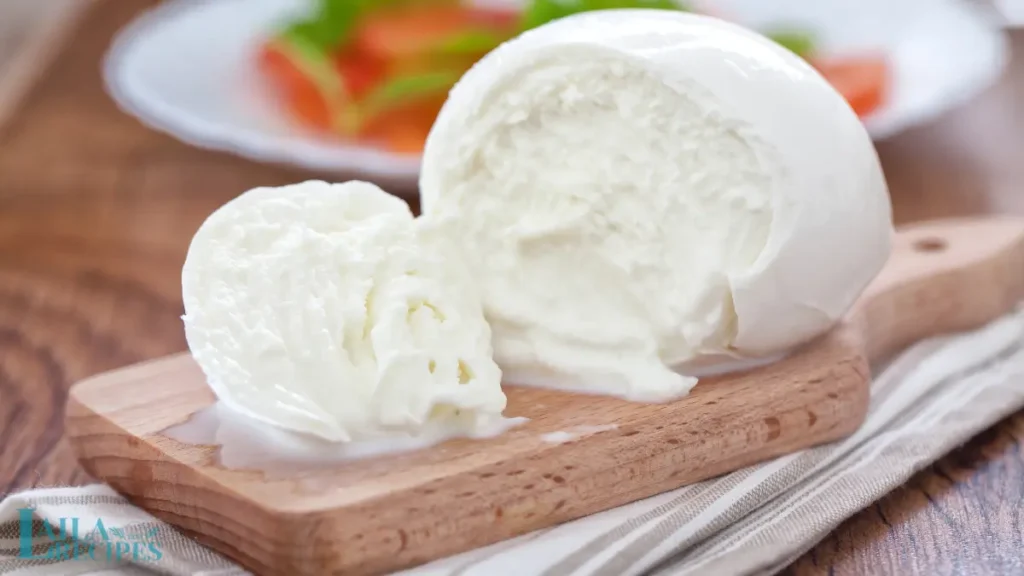
Why is Mozzarella Cheese kept in water?
Fresh mozzarella is stored in water or brine to maintain its soft, creamy texture and freshness. This is because fresh mozzarella has a high moisture content, and without water, it would quickly dry out and become rubbery or lose its delicate flavor. The water acts as a protective barrier, keeping the cheese hydrated and preventing it from absorbing odors from the surrounding environment.
In some cases, the water is actually whey (a byproduct of cheese-making), which helps preserve the cheese and enhances its flavor. When you buy fresh mozzarella, it’s usually packaged in water or brine, and it’s recommended to store it the same way at home. If you remove it from the water, it’s best to consume it within a day or two to ensure optimal taste and texture. For dishes like pizza or lasagna, you may want to drain or pat the mozzarella dry before using it to prevent excess moisture from affecting your recipe.
Can you eat fresh Mozzarella Cheese raw?
Yes, fresh mozzarella is perfectly safe and delicious to eat raw. In fact, it’s often enjoyed in its natural form because of its mild, creamy flavor and soft, smooth texture. Fresh mozzarella is a key ingredient in many dishes where it is served uncooked. For example:
- Caprese Salad: Fresh mozzarella is sliced and paired with ripe tomatoes, fresh basil, olive oil, and a drizzle of balsamic vinegar.
- Cheese Boards: It’s often served as part of antipasto platters with olives, cured meats, and bread.
- Toppings: Fresh mozzarella can be added raw to sandwiches, wraps, or even as a topping for crackers.
Eating fresh mozzarella raw allows you to fully appreciate its delicate taste and creamy consistency. However, if you prefer it warm, it also melts beautifully when used in cooked dishes like pizza or pasta.
What kind of Mozzarella Cheese is best for lasagna?
For lasagna, low-moisture mozzarella is the best choice. This type of mozzarella is firmer and has less water content compared to fresh mozzarella, making it ideal for baked dishes. When melted, low-moisture mozzarella becomes gooey and stretchy, creating the perfect cheesy layer for lasagna without making the dish soggy.
Here’s why low-moisture mozzarella is preferred:
- Texture: It melts evenly and creates a rich, creamy layer.
- Water Content: Fresh mozzarella has a higher moisture content, which can release water during baking and make the lasagna watery.
- Flavor: Low-moisture mozzarella has a slightly saltier and more concentrated flavor, which works well in hearty dishes like lasagna.
If you prefer a mix of textures and flavors, you can combine low-moisture mozzarella with fresh mozzarella. Use low-moisture mozzarella for the main layers and add small pieces of fresh mozzarella for bursts of creaminess.
What is the most unhealthy cheese?
While cheese is a great source of protein and calcium, some cheeses are considered less healthy due to their high calorie, fat, and sodium content. Here are some of the most unhealthy cheeses:
- Blue Cheese: Blue cheese is rich in flavor but also high in saturated fat and sodium. A 1-ounce serving contains about 8 grams of fat and 325 mg of sodium, which can contribute to high blood pressure if consumed excessively.
- Cheddar Cheese: Cheddar is calorie-dense, with about 115 calories and 9 grams of fat per ounce. It’s also high in saturated fat, which can raise cholesterol levels.
- Processed Cheese (e.g., American Cheese): Processed cheeses are often made with additives, artificial flavors, and high levels of sodium. They are less nutritious than natural cheeses and contain unhealthy trans fats in some cases.
- Cream Cheese: While delicious, cream cheese is high in fat and low in protein. A 2-tablespoon serving contains about 10 grams of fat and little nutritional value beyond calories.
To enjoy cheese without compromising your health, opt for healthier options like mozzarella, feta, or cottage cheese, and consume high-fat cheeses in moderation.
Why should you eat cheese before bed?
Eating cheese before bed can have surprising benefits for sleep, thanks to its nutritional composition. Cheese contains tryptophan, an amino acid that helps the body produce serotonin and melatonin, both of which play a role in regulating sleep. Serotonin promotes relaxation and a sense of well-being, while melatonin helps control your sleep-wake cycle.
Additionally, the calcium in cheese supports muscle relaxation and nerve function, which can reduce stress and help you fall asleep more easily. Calcium also helps the brain use tryptophan effectively to produce melatonin.
However, it’s important to eat cheese in moderation before bed. Overeating may lead to indigestion or discomfort, which could disrupt sleep. Stick to a small portion of a mild cheese like mozzarella or cheddar. Avoid processed cheeses, as they may contain additives or high sodium levels that could negatively affect your sleep.
The Science Behind Mozzarella Cheese: What Is Pasta Filata?
Mozzarella cheese belongs to the pasta filata family, a term that refers to the process of heating and stretching the curds. This technique gives mozzarella its characteristic elasticity and smooth texture. The stretching process also helps remove excess whey, resulting in a cheese that melts beautifully. Whether you’re making pizza or a classic caprese salad, this unique property of mozzarella makes it a standout ingredient.
Popular Dishes Featuring Mozzarella Cheese
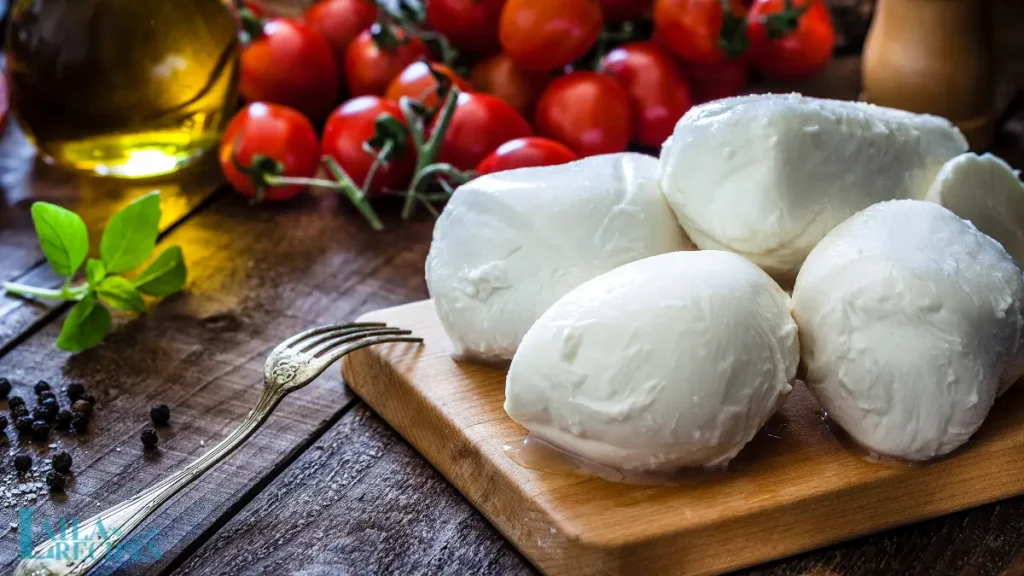
Mozzarella cheese is a star ingredient in many cuisines around the world. Here are some of the most popular dishes where mozzarella takes center stage:
1. Caprese Salad
This Italian classic combines fresh mozzarella, ripe tomatoes, fresh basil, olive oil, and a drizzle of balsamic glaze. It’s a simple yet elegant dish that highlights the creamy texture of mozzarella.
2. Pasta Dishes
From baked ziti to lasagna, mozzarella adds a gooey, melty layer that elevates any pasta recipe. Its mild flavor complements rich tomato sauces and savory meats.
3. Pizza
No list would be complete without mentioning pizza. Mozzarella is the undisputed king of pizza toppings, thanks to its meltability and stretchy texture.
4. Stuffed Chicken
DIY Mozzarella Recipe makes an excellent stuffing for chicken breasts. Pair it with spinach and sun-dried tomatoes for a flavorful, protein-packed meal.
Tips for Perfect Mozzarella Every Time
Making mozzarella cheese at home can be tricky, especially if you’re new to cheesemaking. Here are some tips to help you get it right:
- Use the Right Milk: Always opt for pasteurized milk or goat milk for the best results. Avoid ultra-pasteurized milk, as it won’t curdle properly.
- Monitor the Temperature: Use a thermometer to ensure you’re heating the milk and curds to the correct temperatures.
- Wear Rubber Gloves: Handling hot curds can be challenging. Rubber gloves make it easier to knead and stretch the cheese without burning your hands.
- Don’t Overstretch: Overworking the curds can make the cheese tough. Stretch the curds just until they’re smooth and elastic.
Storing and Using Mozzarella Cheese
Once you’ve made your DIY Mozzarella Recipe, it’s important to store it properly to maintain its freshness. Here’s how:
Storing Fresh Mozzarella
To store your mozzarella properly, place it in a container filled with salted water or whey. Afterward, keep it in the refrigerator for up to 5 days. However, for the best results and freshest taste, it is recommended to consume it within 48 hours.
Freezing Mozzarella
Mozzarella can be frozen, but it may lose some of its texture. To freeze, wrap it tightly in plastic wrap and place it in a freezer-safe bag. Thaw it in the refrigerator before using.
Nutritional Benefits of Mozzarella Cheese
Mozzarella is not just delicious; it’s also packed with nutrients. Here’s a quick look at its nutritional profile:
- High in Protein: Mozzarella is an excellent source of protein, which is essential for muscle repair and growth.
- Rich in Calcium: Like most dairy products, mozzarella is high in calcium, which supports bone health.
- Low in Carbs: Mozzarella is naturally low in carbohydrates, making it a great choice for low-carb diets.
Conclusion: Why Mozzarella Cheese Deserves a Spot in Your Kitchen
Mozzarella cheese is a culinary powerhouse that can transform any dish into a masterpiece. Whether you’re enjoying it fresh in a caprese salad, melting it over your favorite pasta dishes, or making it from scratch using pasteurized milk and a rennet mixture, mozzarella is a cheese that never disappoints.

By following the tips and techniques outlined in this guide, you can master the art of making and using mozzarella cheese. So, grab your large pot, put on your rubber gloves, and get ready to create something delicious. Mozzarella cheese isn’t just a food—it’s an experience.
FAQs for Mozzarella Cheese Recipe
The easiest homemade mozzarella cheese recipe involves just a few ingredients: whole milk, citric acid, rennet, and salt. Heat the milk, add citric acid to curdle it, then rennet to form curds. After separating the whey, stretch the curds in hot water until smooth and elastic. This process typically takes about 30-60 minutes and requires basic kitchen tools like a pot, thermometer, and slotted spoon.
Yes, you can make mozzarella cheese without rennet by using substitutes like lemon juice or vinegar to curdle the milk. However, the texture and flavor may differ slightly from traditional mozzarella. Rennet is preferred for its ability to create firm curds, but these alternatives can work for a quick and easy recipe.
Making fresh mozzarella cheese usually takes between 30 minutes to 1 hour; however, the exact time can vary depending on your experience and the recipe you follow. First, the process involves heating the milk, then curdling it, followed by forming curds, draining the whey, and finally stretching the cheese into its desired shape.
The best milk for making mozzarella cheese is whole milk that is not ultra-pasteurized. Raw milk or pasteurized milk works well, as ultra-pasteurization changes the protein structure, making it harder to form proper curds. Fresh, high-quality milk will yield the best-tasting mozzarella.
Don’t miss out! Follow me on Facebook now and join the community.
Homemade Fresh Mozzarella Cheese Recipe – Quick & Easy in 30 Minutes
Did you like the recipe? Click on a star to rate it!
Ingredients
- 1 gallon pasteurized milk not ultra-pasteurized
- 1 1/2 teaspoons citric acid
- 1/4 teaspoon liquid rennet or rennet mixture
- 1 teaspoon salt
- Water for dissolving citric acid and rennet
Instructions
- Pour milk into a large pot and heat to 90°F (32°C). Stir in dissolved citric acid.
- Add rennet mixture and let curds form for 5–10 minutes.
- Cut the curds into small pieces and heat to 105°F (40°C).
- Remove the pot from heat and drain the whey.
- Heat curds in the microwave, knead, and stretch until smooth.
- Shape into a ball, cool in water, and enjoy your fresh mozzarella!