

Turkish bread boasts a rich history, unique texture, and mouthwatering flavor that few varieties can rival. Known for its versatility and cultural significance, Turkish bread is more than just a staple food; it’s a symbol of tradition, community, and culinary excellence. Loved across the globe, this iconic bread has found its way into countless kitchens and hearts.
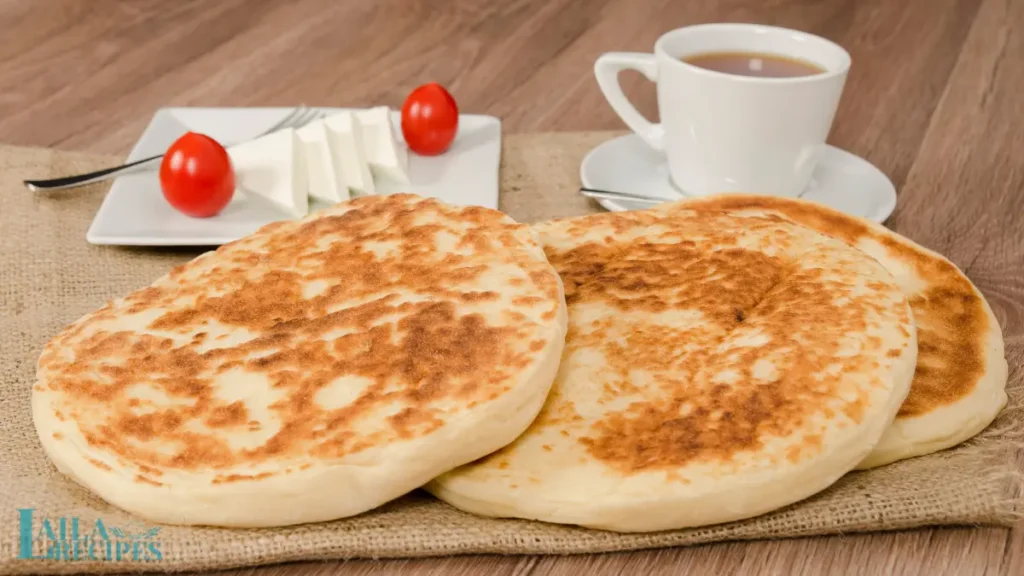
Turkish bread shares a similar homemade charm with recipes like Southern Cornbread, Mozzarella Cheese, and Hot Dog Buns, as all emphasize fresh, simple ingredients and versatility. Just as Southern Cornbread pairs perfectly with soups and stews, Turkish bread like Pide complements hearty meals. Similarly, the soft texture of homemade hot dog buns mirrors the fluffiness of Turkish Bazlama, making both ideal for sandwiches or wraps. Incorporating fresh mozzarella, made using an easy homemade guide, can elevate Turkish bread, turning it into a delicious base for pizzas or a cheesy snack. These recipes highlight the beauty of homemade, versatile, and flavorful staples.
What is Turkish Bread?
First and foremost, let’s define what we mean by Turkish bread. Traditional Turkish Flatbread refers to a variety of bread types that originate from Turkey. These breads typically feature a soft, fluffy texture, a slightly chewy crust, and a rich, aromatic flavor. From flatbreads like pide and lavash to the airy and round bazlama, Traditional Turkish Flatbread comes in many forms, each with its own unique characteristics.
Moreover, Traditional Turkish Flatbread is not just a food item; it’s an integral part of Turkish culture. People serve it with almost every meal, using it to scoop up dips, accompany soups, or act as the base for popular dishes like lahmacun (Turkish pizza). In Turkey, bread is more than sustenance—it’s a way of life.
The History of Turkish Bread
To truly appreciate Turkish bread, it’s essential to understand its history. Bread-making in Turkey dates back thousands of years, with evidence of bread production found in ancient Anatolian civilizations. Over time, Traditional Turkish Flatbread evolved, influenced by the diverse cultures and cuisines that passed through the region, such as the Greeks, Persians, and Arabs.
During the Ottoman Empire, bread played a central role in Turkish cuisine. Bakers developed specialized bread types to satisfy the tastes of both the royal court and the general population. This rich bread-making tradition continues today, with a wide variety of Turkish breads available across the country.
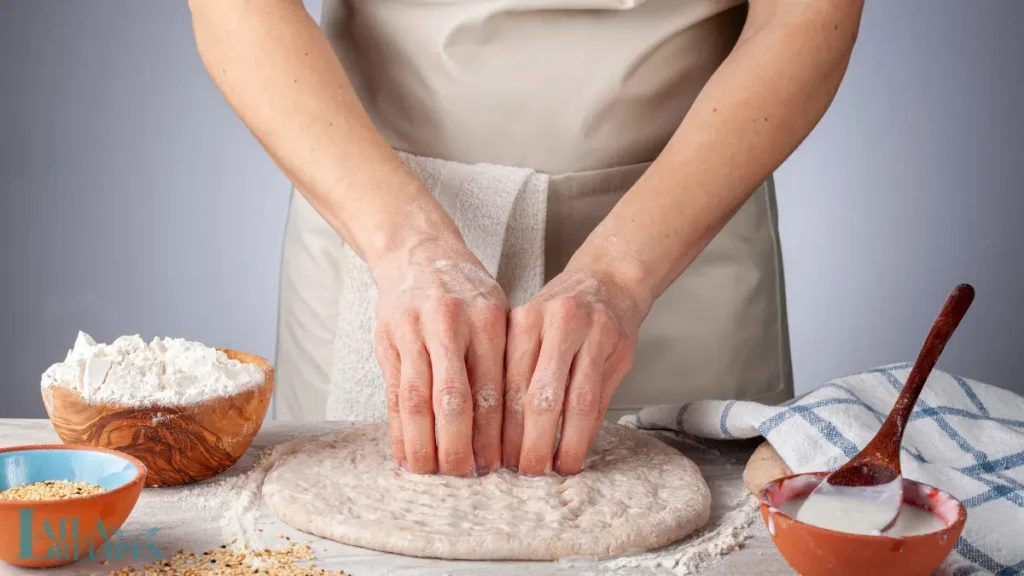
Types of Turkish Bread You Must Try
One of the most exciting aspects of Turkish bread is its diversity. Below, we’ll explore some of the most popular types of Traditional Turkish Flatbread that you absolutely must try.
1. Pide
Many people recognize Pide as one of the most popular types of Turkish bread. Known as “Turkish flatbread,” Pide features an oval shape and a slightly thicker texture than other flatbreads. Bakers commonly sprinkle sesame seeds on top and bake it to perfection, creating a soft interior and a golden, crispy crust.
During Ramadan, families often serve Pide alongside soups and stews. Additionally, cooks transform Pide into a complete meal by topping it with cheese, meat, or vegetables.
2. Simit
Simit, often called the “Turkish bagel,” is a circular bread covered in sesame seeds. Unlike a bagel, simit has a crunchier texture and is slightly sweeter. It’s a popular street food in Turkey, typically enjoyed with tea and cheese for breakfast or as a midday snack.
3. Bazlama
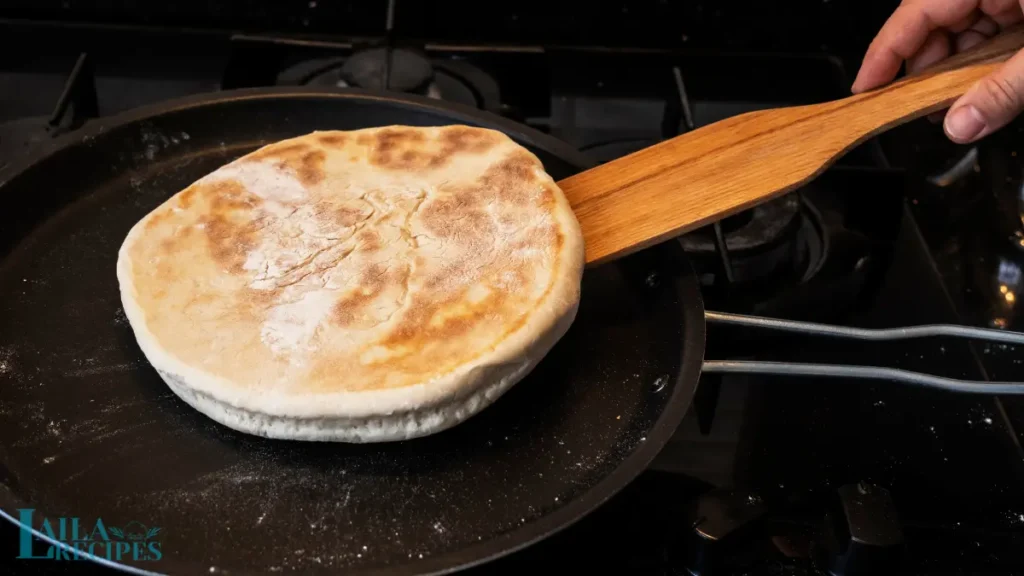
Bazlama is a type of Turkish bread that resembles a thick, fluffy pancake. It’s perfect for making sandwiches or serving with dips like hummus and baba ganoush. Bazlama is often cooked on a griddle, giving it a slightly charred, smoky flavor.
4. Lavash
Lavash is a thin, soft flatbread that’s incredibly versatile. It’s commonly used as a wrap for kebabs or as a base for dips. Lavash is also a popular choice for those looking for a lighter alternative to thicker breads.
5. Yufka
Yufka is a type of unleavened Traditional Turkish Flatbread that’s used to make dishes like börek and baklava. Its thin, paper-like texture makes it ideal for layering and wrapping.

Why Turkish Bread is Loved Worldwide
Now that we’ve covered the types of Traditional Turkish Flatbread, let’s discuss why it has gained such widespread popularity. While there are many reasons, a few stand out:
1. Versatility
One of the primary reasons Turkish bread is so beloved is its versatility. Whether you’re making a sandwich, serving a dip, or creating a full meal, Traditional Turkish Flatbread can adapt to almost any dish. For instance, lavash works wonderfully as a wrap, while bazlama is perfect for soaking up soups and stews.
2. Unique Texture and Flavor
The combination of a soft, fluffy interior and a slightly chewy crust makes Traditional Turkish Flatbread irresistible. Additionally, the use of ingredients like sesame seeds, nigella seeds, and olive oil adds layers of flavor that elevate the bread to new heights.
3. Cultural Significance
Finally, the cultural significance of Traditional Turkish Flatbread adds to its appeal. In Turkey, bread is more than just food; it’s a symbol of hospitality, community, and tradition. Sharing bread is a way of bringing people together, making it a deeply meaningful experience.
How to Make Turkish Bread at Home
If you’ve been inspired to try your hand at making Turkish bread, you’re in luck! While it may seem intimidating at first, making Traditional Turkish Flatbread at home is easier than you might think. Below, we’ll provide a simple recipe for making pide, one of the most popular types of Traditional Turkish Flatbread.
Ingredients:
- 3 cups of all-purpose flour
- 1 teaspoon salt
- 1 teaspoon sugar
- 1 packet (7g) of instant yeast
- 1 cup warm water
- 2 tablespoons olive oil
- Sesame seeds (optional)
Instructions:
- Mix the Dry Ingredients
In a large mixing bowl, combine the flour, salt, sugar, and yeast. - Add Water and Oil
Gradually add the warm water and olive oil to the dry ingredients, mixing until a dough forms. - Knead the Dough
Knead the dough on a floured surface for about 10 minutes, or until it becomes smooth and elastic. - Let it Rise
Place the dough in a greased bowl, cover it with a damp cloth, and let it rise for about 1 hour, or until it doubles in size. - Shape the Dough
Once the dough has risen, divide it into two portions and shape each into an oval. Place the dough on a baking sheet lined with parchment paper. - Add Toppings
If desired, brush the dough with olive oil and sprinkle sesame seeds on top. - Bake
Preheat your oven to 400°F (200°C) and bake the bread for 15-20 minutes, or until golden brown. - Enjoy
Allow the bread to cool slightly before serving. Enjoy your homemade Turkish bread with your favorite dishes!
Tips for Serving Turkish Bread
While Traditional Turkish Flatbread is delicious on its own, pairing it with the right dishes can elevate your meal to the next level. Here are some ideas:
- With Dips: Serve Traditional Turkish Flatbread with dips like hummus, tzatziki, or baba ganoush for a simple yet satisfying snack.
- As a Side: Pair Traditional Turkish Flatbread with soups, stews, or salads for a hearty meal.
- For Breakfast: Enjoy Traditional Turkish Flatbread with cheese, olives, and a cup of Turkish tea for a traditional Turkish breakfast.
- As a Wrap: Use lavash or yufka to make wraps filled with your favorite ingredients.

Where to Buy Turkish Bread
If you’re not ready to make Traditional Turkish Flatbread at home, don’t worry! Many bakeries and grocery stores offer a variety of Traditional Turkish Flatbread options. Additionally, specialty stores and online retailers often carry authentic Traditional Turkish Flatbread, ensuring you can enjoy this delicacy no matter where you live.
What is the Turkish bread called?
Turkish bread is known by several names depending on its type. Common varieties include Pide, a soft and fluffy flatbread often served with meals or used as a base for Turkish-style pizza; Lavaş, a thin and pliable flatbread similar to a tortilla, ideal for wraps; Bazlama, a thick, round bread perfect for dipping; and Simit, a sesame-coated circular bread widely enjoyed as a street snack or breakfast item. Each type of Turkish bread has a unique texture and flavor, making it a versatile and beloved part of Turkish cuisine.
What is different about Turkish bread?
Turkish bread is distinct for its soft and airy texture, slightly chewy crust, and variety of forms, from flatbreads to ring-shaped options. Cooks enhance Turkish bread’s flavor and moisture by adding olive oil or yogurt to the dough. Bakers frequently top these breads with sesame or nigella seeds, which add a nutty aroma and texture. The baking process varies; for example, cooks prepare Lavaş in traditional stone ovens, while they bake Pide to achieve a golden, crispy crust. Its versatility allows people to use it as a meal accompaniment, a wrap, or a standalone snack.
Is Turkish bread healthier than normal bread?
Turkish bread can be healthier than some commercial breads because it is often made fresh with minimal preservatives or additives. Varieties like whole-grain Turkish bread or those topped with seeds (e.g., sesame or nigella) provide added fiber, nutrients, and healthy fats. However, some types, like Pide, may include olive oil or yogurt, which can increase the calorie content. Portion size also plays a role, as Turkish bread is often served in larger pieces. Overall, it can be a healthier option when eaten in moderation and made with wholesome ingredients.
What is the most popular bread in Turkey?
The most popular bread in Turkey is Ekmek, a simple white loaf that is a daily staple for most households. It is light, airy, and served with nearly every meal. Another favorite is Simit, a sesame-coated ring-shaped bread that is iconic in Turkish street food culture, especially in cities like Istanbul. During Ramadan, Ramazan Pidesi, a special bread baked only during the holy month, becomes highly popular. These breads highlight the central role of bread in Turkish cuisine and daily life.
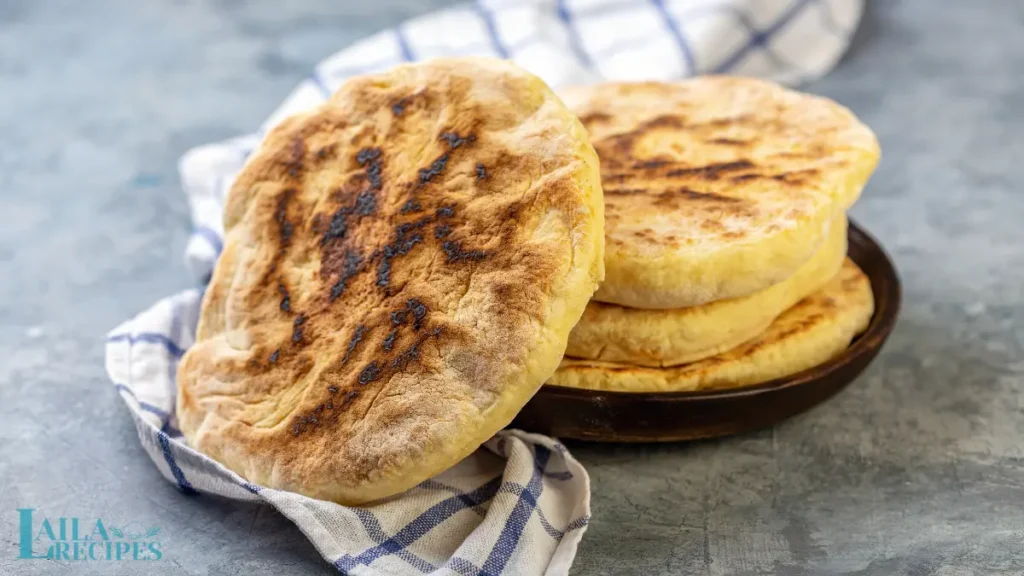
What’s the difference between naan and Turkish bread?
The primary difference between naan and Traditional Turkish Flatbread lies in their ingredients, texture, and cooking methods. Naan, a staple in South Asian cuisine, is typically made with yogurt, milk, or ghee, giving it a soft, rich, and slightly dense texture. It is traditionally cooked in a tandoor oven, resulting in a smoky, charred flavor. Turkish bread, such as Pide or Lavaş, is generally lighter and fluffier, with a milder flavor. It is baked in regular or stone ovens and often topped with sesame or nigella seeds. While naan is thicker and richer, Traditional Turkish Flatbread is more versatile and suited for a wider range of dishes.
What is the traditional bread in Istanbul?
In Istanbul, the traditional bread is Ekmek, a classic white loaf that accompanies almost every meal. It is light, airy, and perfect for scooping up sauces or spreads. Another iconic bread in Istanbul is Simit, a sesame-coated circular bread that is a favorite street food, often enjoyed with tea, cheese, and olives. During Ramadan, Ramazan Pidesi takes center stage, a soft and fluffy bread with a golden crust, baked specifically for the holy month. These breads are deeply rooted in Istanbul’s culinary tradition and reflect the city’s vibrant food culture.
Conclusion: Why You Should Try Turkish Bread Today
In conclusion, Turkish bread is more than just a type of bread—it’s a culinary experience that connects people, cultures, and traditions. Its rich history, diverse types, and unmatched flavor make it a must-try for anyone who loves good food. Whether you’re enjoying it with a warm bowl of soup, using it as a wrap, or simply savoring it on its own, Traditional Turkish Flatbread is sure to leave a lasting impression.
So, why not give Traditional Turkish Flatbread a try today? Whether you bake it at home or buy it from a local bakery, you’ll discover a world of flavor and tradition that’s impossible to resist.

FAQs About Turkish Bread
Turkish bakers typically prepare bread using simple ingredients such as flour, water, yeast, salt, and sometimes olive oil or yogurt. Depending on the type of flatbread, bakers often add toppings like sesame seeds, nigella seeds, or herbs to create additional flavor and texture.
Turkish bread can be a healthy addition to your diet when consumed in moderation. It’s a good source of carbohydrates and energy, but its nutritional value depends on the specific type of bread and ingredients used. Opt for whole-grain versions or pair Turkish bread with nutrient-rich foods like vegetables, lean proteins, and healthy fats for a balanced meal.
Traditional Turkish Flatbread offers incredible versatility and enhances meals in many ways:
Use it to scoop up dips like hummus or tzatziki.
Serve it as a side with soups, stews, or salads.
Use it as a base for toppings like cheese, meats, or vegetables.
Wrap it around kebabs or other fillings for a quick meal.
Pair it with cheese, olives, and tea for a traditional Turkish breakfast.
Don’t miss out! Follow me on Facebook now and join the community.
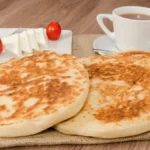
Turkish bread Recipe
Did you like the recipe? Click on a star to rate it!
Ingredients
- 3 cups all-purpose flour
- 1 teaspoon salt
- 1 teaspoon sugar
- 1 packet 7g instant yeast
- 1 cup warm water
- 2 tablespoons olive oil
- Sesame seeds or nigella seeds optional
Instructions
- Mix flour, salt, sugar, and yeast in a bowl.
- Gradually add warm water and olive oil, forming a dough.
- Knead for 10 minutes until smooth and elastic.
- Let rise for 1 hour until doubled in size.
- Shape into ovals and place on a baking sheet.
- Brush with olive oil and sprinkle with seeds.
- Bake at 400°F (200°C) for 15-20 minutes until golden brown.
- Let cool slightly and enjoy!